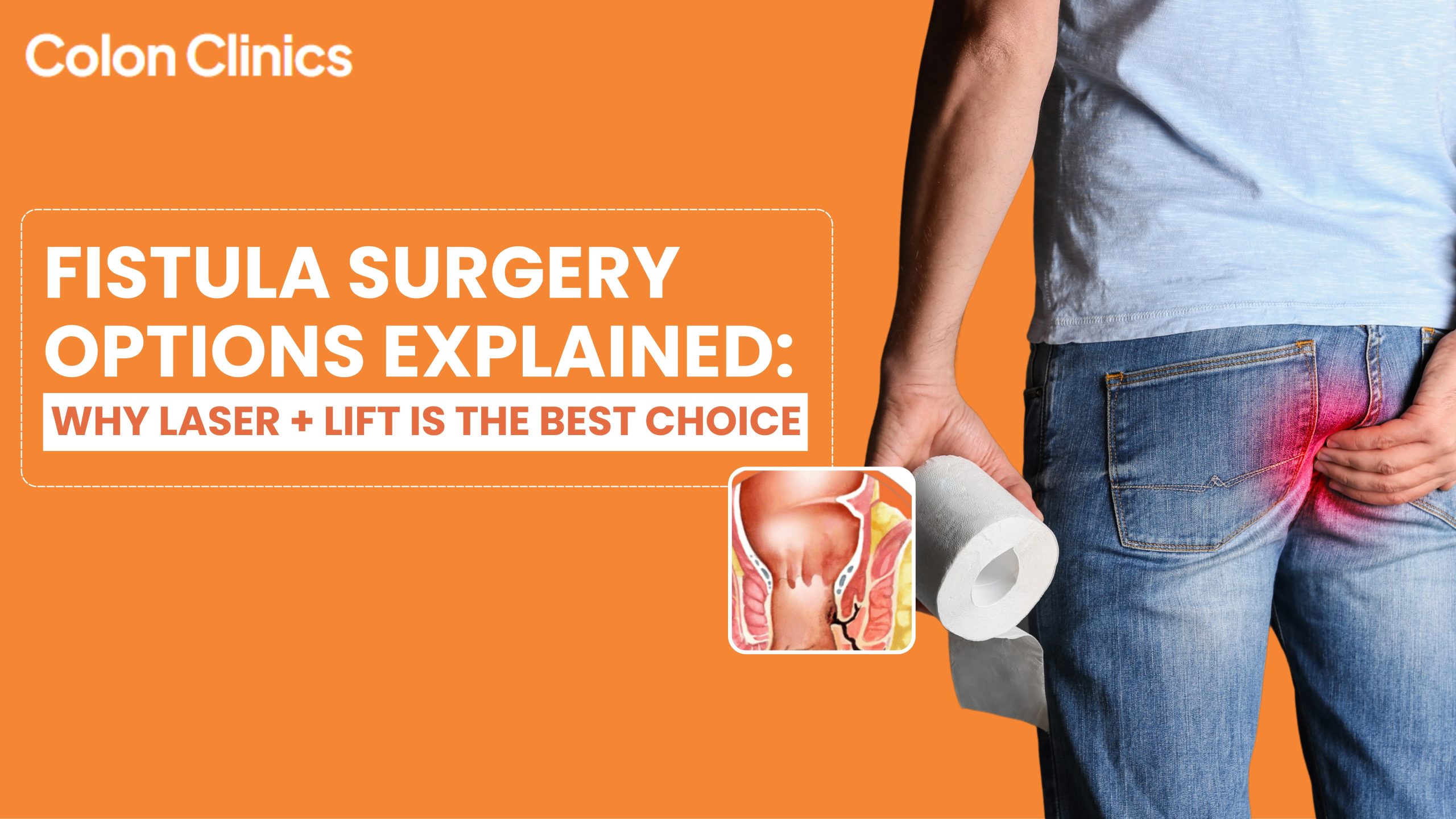
Anal fistula is a painful and often frustrating medical condition that affects many individuals. Even after undergoing surgery, some patients experience recurrence, which can lead to confusion and concern. Many people ask an important question: “Why does a fistula come back even after surgery?”
Understanding why recurrence happens and how it can be prevented is crucial for long-term healing. According to Dr. Ramesh Baipalli, the best colorectal specialist in Vizag at Colon Clinics, the risk of fistula recurrence can be significantly reduced through accurate diagnosis, detailed fistula mapping, the correct surgical technique, and treatment of underlying medical conditions before surgery.
In this article, we will explore what an anal fistula is, why it sometimes comes back after surgery, and what steps can be taken to prevent it.
Understanding Anal Fistula
An anal fistula is an abnormal tunnel or tract that develops between the anal canal or rectum and the skin around the anus. It typically forms after an infection in the anal glands that leads to an abscess. When the abscess drains, it can leave behind a small tunnel connecting the inside of the anal canal to the skin surface.
Many patients mistakenly believe that fistulas appear as a simple pimple, boil, or small external opening. However, the visible opening on the skin is only a part of the problem. The actual disease lies inside the body in the form of a complex tract or network of tunnels that may branch in multiple directions.
Because of this complexity, successful treatment requires precise diagnosis and proper surgical technique.
Why Does Fistula Recur After Surgery?
Although surgery is one of the most effective treatments for anal fistula, recurrence can occur in some cases. There are three major reasons why a fistula may return after surgery.
1. Improper Diagnosis or Incorrect Surgical Technique
The most common cause of fistula recurrence is incomplete diagnosis or improper surgical management.
The key to successful fistula surgery is identifying and closing the internal opening of the fistula. If the internal opening is not properly located or treated, the infection may continue, leading to recurrence.
Before surgery, doctors must carefully map the fistula tract. This mapping helps identify:
- The internal opening
- The external opening
- The direction of the fistula tract
- Presence of side branches
- Horseshoe-shaped abscesses
- Whether it is a high fistula or low fistula
- Types such as intersphincteric or transsphincteric fistula
Every fistula is different and may require a different surgical technique. If the tract is not mapped correctly or the internal opening is missed during surgery, the fistula can return.
This is why accurate diagnosis and proper fistula mapping are essential for successful treatment.
2. Patient-Related Risk Factors
Certain patient health conditions can increase the risk of fistula recurrence even after technically successful surgery.
Some of the most common risk factors include:
1. Diabetes: Patients with diabetes often experience delayed wound healing and increased susceptibility to infections. Poor blood sugar control can prevent surgical wounds from healing properly, increasing recurrence risk.
2. Weakened Immune System: Individuals with immunocompromised conditions may struggle to fight infection effectively, which can contribute to fistula persistence or recurrence.
3. Smoking: Smoking negatively affects blood circulation and tissue repair. It can significantly delay wound healing after surgery, making recurrence more likely.
4. Poor Wound Care: Proper post-operative wound care plays a crucial role in recovery. Neglecting hygiene, skipping follow-up visits, or ignoring medical instructions can interfere with healing.
Patients who carefully follow their doctor’s post-surgical care instructions generally experience better outcomes and lower recurrence rates.
3. Underlying Diseases Affecting the Intestine
Sometimes, fistula recurrence is linked to underlying diseases in the intestine or colon that were not diagnosed before surgery.
Some of these conditions include:
1. Ulcerative Colitis: This inflammatory bowel disease causes chronic inflammation in the colon and rectum. It can lead to recurrent infections and fistula formation.
2. Intestinal Tuberculosis (TB): Tuberculosis affecting the intestines can create chronic inflammation and abnormal tracts in the anal region.
3. Non-Specific Colitis: Inflammatory conditions affecting the colon may contribute to repeated infections and poor healing.
4. Cancer: In rare cases, certain cancers affecting the colon or rectum can lead to fistula formation.
If these underlying conditions are not treated before fistula surgery, the fistula may return even after a successful procedure.
Importance of Pre-Surgical Evaluation
To identify underlying diseases, doctors often recommend tests such as:
- Sigmoidoscopy
- Colonoscopy
These procedures allow doctors to examine the inside of the rectum and colon to detect any inflammatory or abnormal conditions.
If such conditions are found, they must be treated before fistula surgery. Addressing the root cause significantly reduces the risk of recurrence.
How to Minimise Fistula Recurrence After Surgery
Although recurrence is possible, the risk can be significantly lowered by following a comprehensive treatment approach.
1. Accurate Diagnosis: A detailed examination and proper imaging help identify the exact type and structure of the fistula.
2. Proper Fistula Mapping: Detailed mapping ensures that all tracts and internal openings are identified before surgery.
3. Correct Surgical Technique: Different types of fistulas require different surgical approaches. Choosing the right technique for the specific fistula type is essential for long-term success.
4. Treating Underlying Diseases: Conditions like ulcerative colitis, intestinal TB, or colitis should be treated before fistula surgery.
5. Managing Health Conditions: Patients with diabetes or other chronic conditions should ensure proper medical management before and after surgery.
6. Following Post-Surgical Care
Post-operative care is equally important and may include:
- Maintaining proper hygiene
- Following medication instructions
- Attending follow-up appointments
- Monitoring wound healing
- Maintain a healthy lifestyle
Following these instructions supports faster recovery and reduces complications.
When Should You Consult a Specialist?
You should consult a colorectal specialist if you experience symptoms such as:
- Persistent discharge near the anus
- Pain or swelling around the anal area
- Recurrent abscesses
- A small opening that leaks fluid
- Repeated infections after surgery
Early diagnosis and appropriate treatment can prevent complications and reduce the risk of recurrence.
Expert Fistula Treatment at Colon Clinics Vizag
Successful fistula treatment depends on experience, accurate diagnosis, and advanced surgical techniques.
At Colon Clinics Vizag, Dr. Ramesh Baipalli specializes in the diagnosis and management of complex anal fistulas. By carefully mapping the fistula tract and addressing underlying conditions, the clinic aims to reduce recurrence and provide effective long-term relief for patients.
Conclusion
Fistula recurrence after surgery is a common concern, but it can be significantly reduced with the right approach. Proper diagnosis, identification of the internal opening, management of underlying diseases, and expert surgical techniques are essential for successful treatment.
At Colon Clinics, under the guidance of Dr. Ramesh Baipalli, patients receive comprehensive care designed to minimise recurrence and promote long-term healing.
If you are struggling with recurrent fistula or seeking expert guidance, Colon Clinics is here to help you heal with confidence.
For more details, visit Colon Clinics or call +91 7075559951 to schedule an appointment.