Piles, also known as hemorrhoids, are a common condition that affects millions of people worldwide. They occur when the veins in the rectum or anus become swollen and inflamed, leading to discomfort, pain, itching, and bleeding. While many cases can be managed with lifestyle changes and medications, some patients may eventually require piles surgeryfor long-term relief.
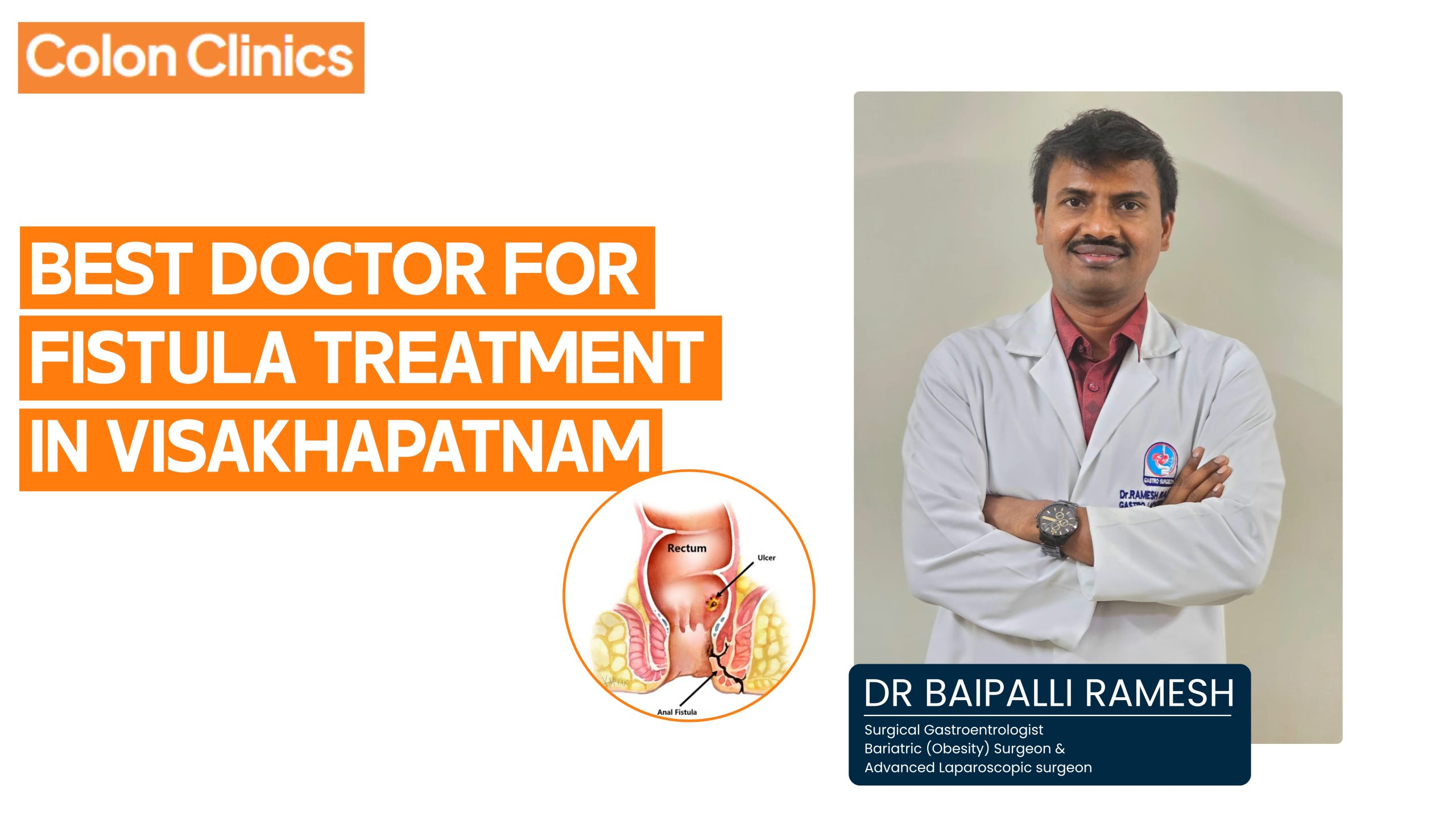
At Colon Clinics, the best piles specialist in Vizag, Dr. Ramesh Baipalli provides advanced diagnosis and treatment options for piles, helping patients regain comfort and confidence.
In this blog, we will discuss when piles need surgery, the warning signs, available treatment options, and what to expect during recovery.
What Are Piles?
Piles are swollen and inflamed veins located in the rectum or anus. They can develop internally inside the rectum or externally around the anal opening. Excessive pressure during bowel movements, chronic constipation, obesity, pregnancy, prolonged sitting, and poor dietary habits are among the leading causes of piles.
Piles are generally classified into four grades:
- Grade 1: Small internal swelling with mild symptoms
- Grade 2: Piles protrude during bowel movements but return on their own
- Grade 3: Piles that protrude and require manual pushing back into the anus.
- Grade 4: Permanently prolapsed piles causing severe discomfort
While Grade 1 and Grade 2 piles often respond to medications and lifestyle changes, Grade 3 and Grade 4 hemorrhoids may require piles surgery for permanent relief.
Common Symptoms of Piles
The symptoms of piles may vary depending on their severity and type. Common signs include:
- Pain or discomfort during bowel movements
- Bright red bleeding after passing stools
- Itching or irritation around the anus
- Swelling near the anal region
- A lump around the anus
- Mucus discharge
- Difficulty sitting comfortably
In many cases, patients ignore these symptoms initially, assuming they will go away on their own. However, untreated piles can worsen over time.
When Do Piles Need Surgery?
Not all piles require surgery. Doctors generally recommend surgery when conservative treatments fail or symptoms become severe and recurrent.
1. Persistent Bleeding: Occasional bleeding may occur in mild piles, but continuous or heavy bleeding should never be ignored. Chronic blood loss can lead to anemia and weakness. If medications and dietary changes fail to control bleeding, surgery may be the best option.
2. Severe Pain and Discomfort: External piles or thrombosed hemorrhoids can cause intense pain, especially while sitting or passing stools. Persistent pain affecting daily activities may indicate the need for surgical intervention.
3. Prolapsed Hemorrhoids: When piles protrude outside the anus and do not return naturally, they can cause hygiene problems, irritation, and discomfort. Grade 3 and Grade 4 piles commonly require surgery for long-term relief.
4. Recurrent Piles: Some patients experience repeated episodes of piles despite medications and lifestyle modifications. Recurring piles often indicate underlying vein damage that may need surgical correction.
5. Blood Clots in Piles: Thrombosed hemorrhoids occur when blood clots form inside external piles. This condition can cause severe swelling and unbearable pain. Surgical removal may be necessary for relief.
6. Failure of Non-Surgical Treatments: If creams, medications, dietary changes, and minimally invasive procedures fail to improve symptoms, surgery becomes the next effective treatment option.
Types of Piles Treatments
The treatment for piles depends on the severity of symptoms and the grade of hemorrhoids.
Lifestyle and Home Remedies
For mild cases, doctors usually recommend:
- High-fiber diet
- Drinking plenty of water
- Regular exercise
- Avoiding prolonged sitting
- Using stool softeners
- Warm sitz baths
These measures help reduce pressure on rectal veins and improve bowel movements.
Medications
Doctors may prescribe:
- Pain relief creams
- Anti-inflammatory medicines
- Suppositories
- Oral medications
These treatments mainly control symptoms but may not permanently cure advanced piles.
Minimally Invasive Procedures
For moderate piles, non-surgical treatments may include:
- Rubber Band Ligation: A small rubber band is placed around the hemorrhoid to cut off blood supply.
- Sclerotherapy: A chemical solution is injected into the pile tissue to shrink it.
- Infrared Coagulation: Heat is used to reduce blood flow to hemorrhoids.
When these methods fail or piles become advanced, surgery may be necessary.
Surgical Treatments for Piles
When piles become severe, surgery provides the most effective and permanent relief. At Colon Clinics, advanced surgical options are available for treating piles effectively. The choice of surgery depends on the severity of the condition.
Laser Piles Surgery
Laser treatment is one of the most advanced methods available today. It uses laser energy to shrink the hemorrhoidal tissue.
Benefits of Laser Surgery
- Minimally invasive
- Less pain
- Minimal bleeding
- Faster recovery
- Short hospital stay
- Reduced risk of infection
Laser treatment is highly preferred for patients seeking quick recovery and minimal discomfort.
Hemorrhoidectomy
This traditional surgical procedure involves complete removal of large hemorrhoids. It is often recommended for severe Grade 3 or Grade 4 piles.
Advantages
- Permanent removal of piles
- Effective for large hemorrhoids
- Lower recurrence rates
Although recovery may take longer than laser treatment, it remains highly effective for advanced cases.
Stapler Surgery
Stapled hemorrhoidopexy is another modern technique used for prolapsed hemorrhoids. The procedure uses a stapling device to reposition and reduce swollen tissue.
Benefits
- Less post-operative pain
- Faster healing
- Shorter recovery time
What to Expect Before Piles Surgery
Before surgery, doctors perform a detailed evaluation to determine the severity of the condition.
Diagnostic Procedures
- Physical examination
- Digital rectal examination
- Proctoscopy
- Colonoscopy (if required)
Patients may also undergo blood tests and other investigations before surgery.
How to Prepare for Piles Surgery
Before surgery, your doctor may recommend certain preparations to ensure a smooth procedure and recovery.
Preparation may include:
- Medical evaluation and tests
- Avoiding certain medications
- Following dietary instructions
- Fasting before surgery if required
- Drinking adequate fluids
At Colon Clinics, Dr. Ramesh Baipalli carefully evaluates each patient’s condition before recommending the most suitable treatment plan.
Recovery After Piles Surgery
Recovery after piles surgery varies from person to person and depends on the type of procedure performed. Modern laser procedures usually allow faster healing compared to traditional surgery.
What to Expect During Recovery
- Mild Pain or Discomfort: Patients may experience slight discomfort for a few days, which can be managed with medications.
- Dietary Care: A high-fiber diet and adequate hydration help prevent constipation and support healing.
- Activity Restrictions: Heavy lifting and strenuous activities should be avoided during recovery.
- Follow-Up Visits: Regular follow-ups help monitor healing and prevent complications.
Most patients who undergo laser piles surgery can return to normal activities within a few days.
Recovery Timeline
- Laser surgery recovery: Usually within a few days
- Stapler surgery recovery: Around 1–2 weeks
- Traditional surgery recovery: 2–4 weeks
Following post-operative instructions carefully can help ensure faster healing and reduce the risk of recurrence.
How to Prevent Piles from Returning
Even after successful treatment, maintaining healthy habits is essential to prevent recurrence.
Prevention Tips:
- Eat a fiber-rich diet
- Exercise regularly
- Avoid prolonged sitting
- Do not delay bowel movements
- Stay hydrated
- Maintain healthy body weight
Simple lifestyle modifications can significantly reduce the risk of future hemorrhoid problems.
Why Choose Colon Clinics for Piles Surgery in Vizag?
Choosing the right clinic and specialist is important for safe and effective treatment. Colon Clinics is known for providing advanced care for piles and other colorectal conditions.
Patients prefer Colon Clinics because of:
- Advanced laser treatment options
- Experienced specialists
- Personalized patient care
- Modern medical facilities
- Minimally invasive procedures
- Faster recovery support
Under the expertise of Dr. Ramesh Baipalli, patients receive comprehensive evaluation and treatment designed to ensure long-term relief and improved quality of life.
Final Thoughts
Piles can become a painful and frustrating condition when left untreated. While early-stage hemorrhoids often improve with medications and lifestyle changes, severe or recurring cases may require surgical intervention. Understanding the warning signs and seeking timely treatment can help avoid complications and ensure faster recovery.
At Colon Clinics, we provide advanced and effective solutions for piles surgery in Vizag using modern minimally invasive techniques. Under the expert care of Dr. Ramesh Baipalli, patients receive safe, personalized, and compassionate treatment for long-lasting relief from piles.
If you are experiencing persistent piles symptoms, consult Colon Clinics today for expert evaluation and advanced treatment options.
For more details, visit Colon Clinics or call +91 7075559951 to schedule an appointment.