Childbirth is a major physical event, and while most women recover smoothly, some may experience complications that require specialised medical care. Fistula after childbirth is one such condition. Although it is not commonly discussed, a childbirth-related fistula can significantly affect a woman’s physical health, emotional well-being, and quality of life.
The good news is that fistula is often treatable, and modern surgical techniques can help many women regain normal bowel or urinary function.
Understanding the causes, symptoms, diagnosis, and modern treatment options for fistula after childbirth can help women recognize the problem early and receive appropriate care. At Colon Clinics, Dr. Ramesh Baipalli provides specialized care for anorectal and colorectal conditions using modern surgical techniques and individualized treatment planning.
What Is a Fistula After Childbirth?
A fistula is an abnormal passage or connection that develops between two normally separate areas of the body.
An anal fistula is a tunnel between the anal canal and the skin around the anus. It commonly develops following an anal abscess or infection. When an abscess drains but the infected tract does not heal completely, a persistent fistula may remain.
A rectovaginal fistula, on the other hand, is an abnormal connection between the rectum and vagina. This may cause stool or gas to pass through the vagina.
Childbirth-related fistulas can sometimes develop following severe tissue injury, infection, prolonged or obstructed labour, or complications associated with perineal trauma. However, childbirth does not automatically cause a fistula, and the exact cause must be determined through a proper medical evaluation.
Causes of Fistula After Childbirth
Several childbirth-related factors may contribute to the development of a fistula. Understanding these causes can help women recognize when medical evaluation may be necessary.
1. Severe Perineal Tears
During vaginal delivery, the tissues between the vagina and anus can sometimes tear. Third- or fourth-degree tears can extend toward the anal sphincter or rectal area. If the injury does not heal properly, an abnormal connection may develop.
2. Difficult or Prolonged Labour
Long or obstructed labour can put significant pressure on the tissues between the rectum and vagina. In severe cases, this can cause tissue damage and subsequent fistula formation.
3. Episiotomy-Related Complications
An episiotomy is an incision made in the perineum during certain vaginal deliveries. Although it may be medically appropriate in selected situations, complications such as infection or poor healing can contribute to fistula formation.
4. Infection After Delivery
An infection around a childbirth injury can interfere with normal wound healing. Persistent infection or tissue breakdown may eventually contribute to the development of a fistula.
5. Anal Sphincter or Rectal Injury
Some difficult deliveries may also cause injury to the anal sphincter or nearby rectal tissues. If these injuries are not identified or do not heal properly, women may experience bowel-control problems along with fistula symptoms.
Importantly, not every woman who experiences a perineal tear or difficult delivery develops a fistula. A proper examination is needed to determine the underlying cause.
Symptoms of Fistula After Childbirth
Post-pregnancy anal fistula symptoms often arise within weeks to months after delivery and include:
Common anal fistula symptoms after delivery include:
- Persistent or recurring pain around the anus
- Swelling or a small lump near the anus
- Pus or foul-smelling discharge
- Blood-stained discharge
- A small opening in the skin near the anus
- Repeated formation of an abscess
- Skin irritation around the anal opening
- Pain that becomes worse while sitting or passing stool
- Temporary relief after pus drains from a swelling
- A wound that repeatedly opens and closes
A particularly important warning sign is a recurrent abscess. If swelling repeatedly develops in the same area and drains on its own, an underlying fistula may be present.
Some women may feel embarrassed discussing these symptoms. However, delaying an evaluation can allow irritation, infection, and other complications to continue. If you notice unusual stool or gas leakage from the vagina after childbirth, it is important to consult best fistula surgeon in Vizag.
How Is an Anal Fistula Diagnosed?
A proper diagnosis is essential because fistulas can vary considerably in their location, depth, and relationship with the anal sphincter muscles.
During the consultation, the doctor may perform a physical examination and digital rectal examination. Depending on the symptoms and complexity of the condition, additional investigations such as anoscopy, ultrasound, or MRI may be recommended.
At Colon Clinics, Dr. Ramesh Baipalli evaluates the fistula carefully before recommending treatment. Accurate identification of the fistula tract helps the surgeon select an appropriate procedure while protecting the anal sphincter and reducing the risk of recurrence.
Modern Treatment Options for Fistula Treatment in Vizag
Treatment depends on the type of fistula, its complexity, infection status, and involvement of the sphincter muscles.
1. Fistulotomy
Fistulotomy is a commonly used surgical treatment for suitable simple fistulas. The fistula tract is opened so that it can heal from the inside outward. Whether this procedure is appropriate depends on how much sphincter muscle is involved.
2. Seton Placement
A seton is a surgical thread or loop placed through the fistula tract. It may be used when the fistula passes through important sphincter muscles.
Depending on the treatment plan, a seton can help control infection and allow gradual management of the fistula while reducing the risk of sphincter damage.
3. LIFT Procedure
The Ligation of Intersphincteric Fistula Tract (LIFT) procedure is a sphincter-preserving approach used for selected fistulas.
The surgeon identifies and closes the fistula tract in the space between the sphincter muscles. This technique may be considered when conventional fistulotomy could pose a higher risk to continence.
4. Advancement Flap
An advancement flap may be considered for certain complex or high fistulas. The internal opening is closed using healthy tissue while attempting to preserve the anal sphincter.
5. Laser Anal Fistula Treatment
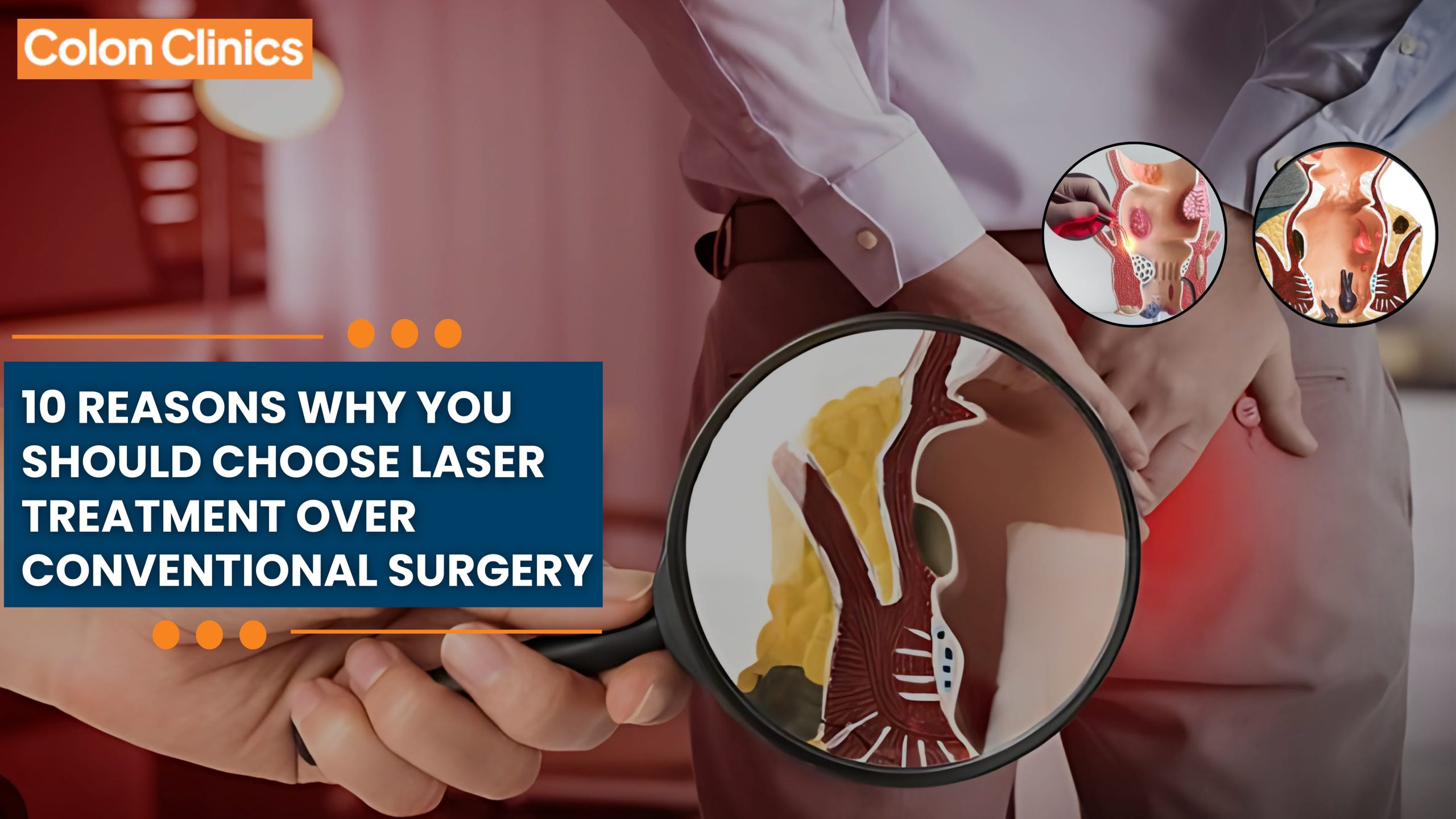
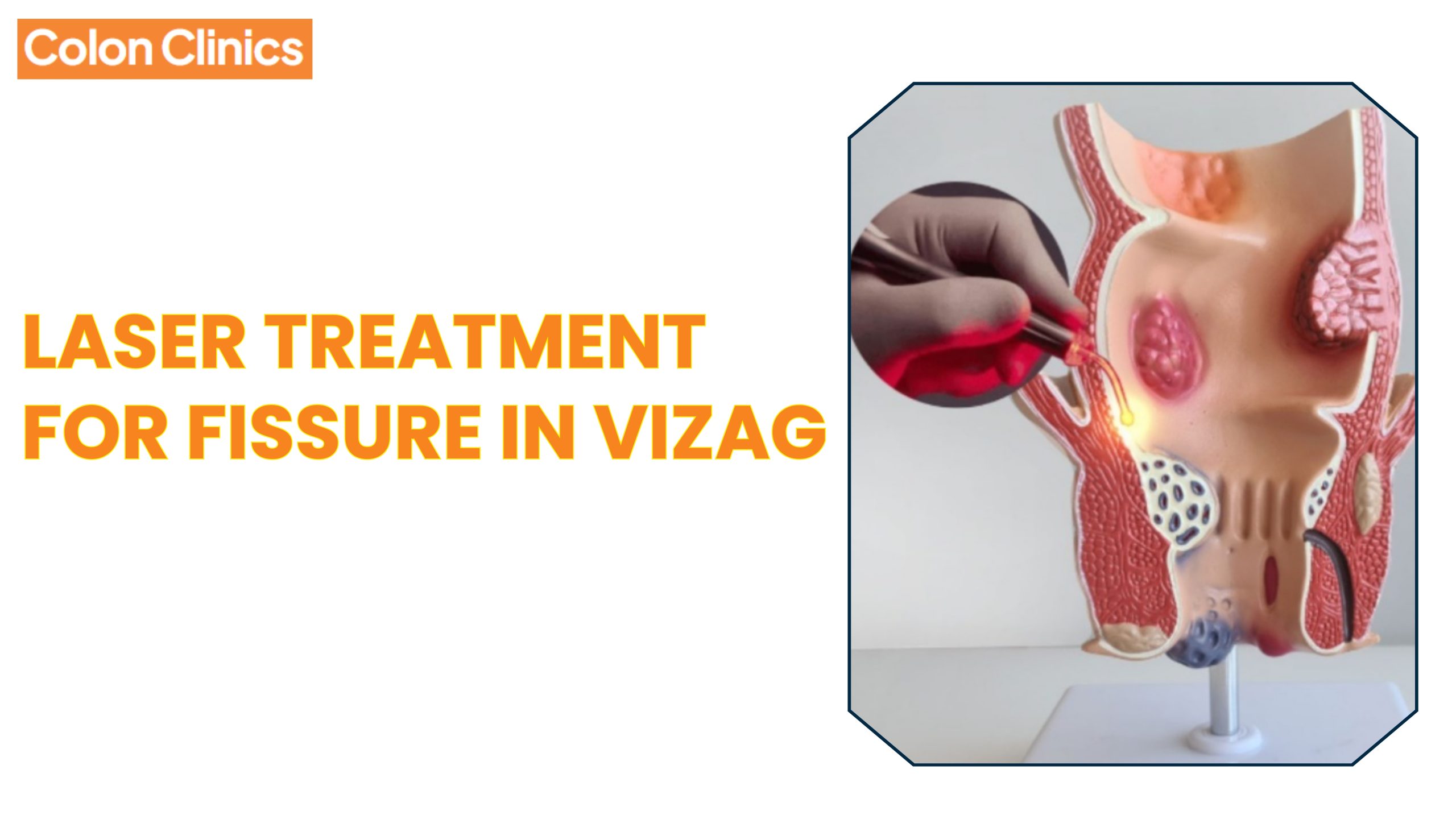
Laser fistula surgery is a minimally invasive approach used in selected cases. The technique uses laser energy to treat the fistula tract while aiming to preserve surrounding tissue and sphincter function.
Laser treatment may offer benefits such as smaller wounds, less postoperative discomfort, and a potentially faster recovery in appropriately selected patients.
However, there is no single procedure that is ideal for every fistula. The treatment should always be chosen after assessing the individual fistula.
Why Early Treatment Matters
Ignoring fistula after childbirth symptoms can allow the condition to persist or become more complicated. Recurrent infections may result in additional fistula branches, chronic drainage, skin irritation, and increased treatment complexity.
Early assessment also helps distinguish an anal fistula from other postpartum conditions that may require different treatment.
Women should not feel embarrassed about discussing anal pain, discharge, swelling, or unusual symptoms after childbirth. These are medical concerns, and early professional evaluation can make treatment more straightforward.
When Should You See a Specialist?
If you experience stool, gas, or urine leakage through the vagina after childbirth, consult a qualified specialist rather than assuming it is a normal part of postpartum recovery.
You should especially seek medical evaluation if:
- Symptoms continue after the initial postpartum healing period
- Stool or gas passes through the vagina
- Urine continuously leaks from the vagina
- You have persistent irritation or foul-smelling discharge
- You have previously undergone fistula repair that has failed or recurred
Early assessment can help determine the cause and identify the most appropriate treatment.
Expert Fistula Care at Colon Clinics
Choosing an experienced specialist is particularly important when a fistula develops after childbirth because the anatomy can be complex and treatment must be carefully planned.
At Colon Clinics, Dr. Ramesh Baipalli is an experienced surgical gastroenterologist specializing in fistula, fissure, piles, and other colorectal conditions. The clinic focuses on accurate diagnosis, personalized treatment planning, minimally invasive techniques, and sphincter-preserving approaches whenever appropriate.
Modern fistula care is not based on using one procedure for every patient. Instead, the treatment is selected according to the fistula’s location, complexity, previous treatment history, and involvement of surrounding tissues.
Final Thoughts
A fistula after childbirth can be physically uncomfortable and emotionally distressing, but appropriate medical evaluation can help identify the cause and determine the right treatment.
Symptoms such as persistent discharge, recurrent infections, stool or gas leakage through the vagina, or pus discharge from an opening near the anus should not be ignored. Early diagnosis allows specialists to understand the fistula’s anatomy and select an appropriate treatment approach.
If you are experiencing symptoms of an anal fistula after childbirth, consult an experienced colorectal or surgical gastroenterology specialist. At Colon Clinics, Dr. Ramesh Baipalli provides individualized evaluation and modern treatment options designed to address the underlying condition while protecting normal function.
For expert fistula treatment in Vizag, schedule a consultation with Colon Clinics and take the right step toward long-term relief. Contact us at: +91 7075559951