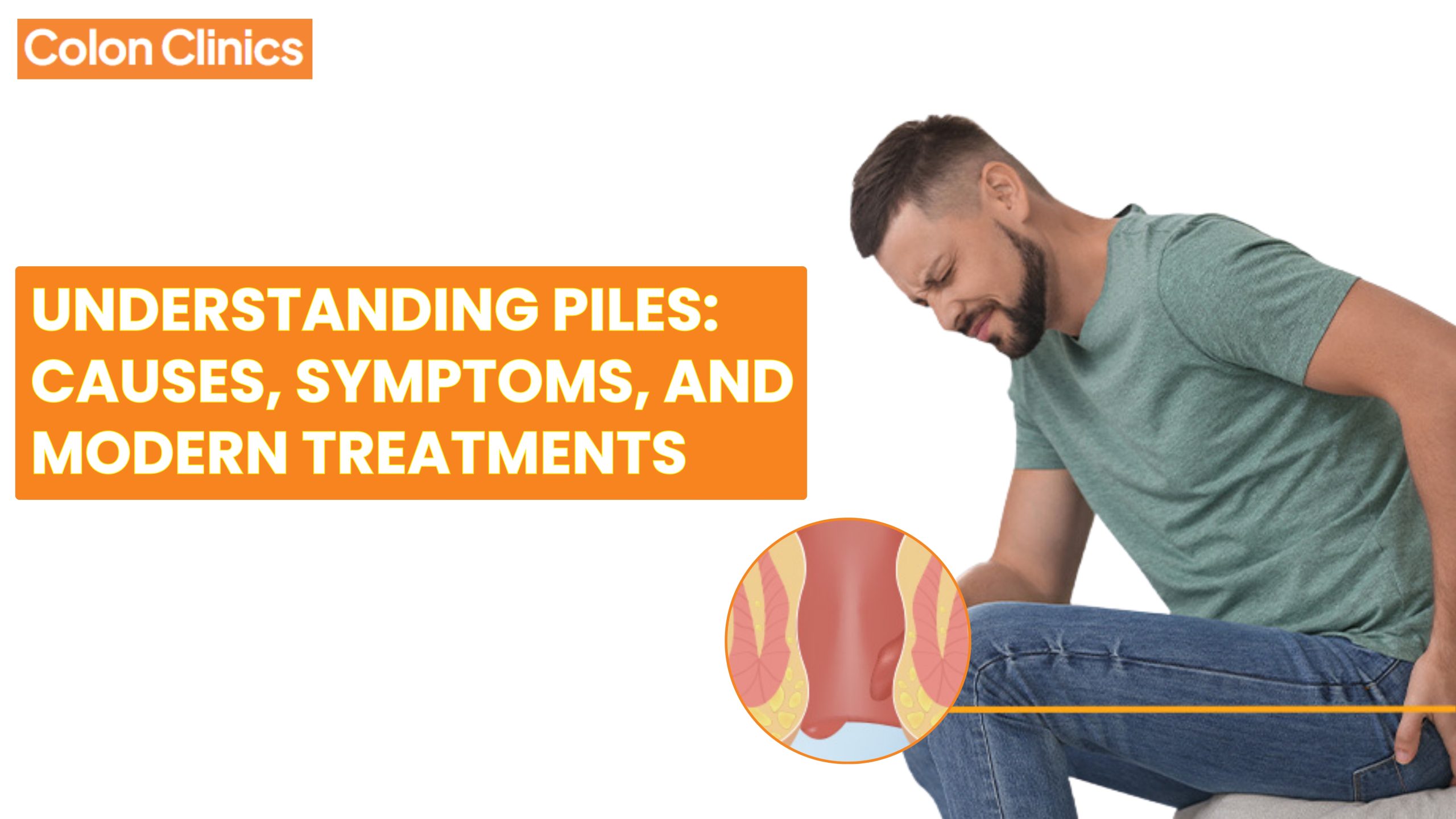
Piles, also known as hemorrhoids, are a common anorectal condition that can cause pain, bleeding, itching, swelling, and discomfort while passing stools. For people living with diabetes, the thought of undergoing piles surgery can raise additional concerns, particularly about wound healing, infection, blood sugar control, and recovery.
So, can diabetics undergo laser piles surgery safely? In many cases, yes. Diabetes by itself does not automatically rule out laser piles surgery. However, the safety of the procedure depends significantly on how well the patient’s blood sugar is controlled, the severity of the piles, overall health, and appropriate pre- and post-operative care.
At Colon Clinics, patients can undergo a detailed evaluation to determine the most appropriate treatment for their condition. Dr. Baipalli Ramesh, the best piles specialist in Vizag, can assess the patient’s symptoms, medical history, diabetes management, and hemorrhoid condition before recommending treatment.
Why Diabetes Requires Special Care in Piles Treatment
Piles are swollen veins located in the lower rectum and anus. While common, they can cause persistent rectal bleeding, itching, and severe pain during bowel movements.
For patients living with diabetes, anorectal issues present unique concerns:
- Delayed Wound Healing Poor glucose control slows tissue repair, which can extend recovery. With proper monitoring and controlled sugar levels, healing is significantly improved.
- Higher Infection Risk: Diabetes can increase susceptibility to infections, especially when blood sugar is poorly controlled. Appropriate surgical hygiene, wound care, and follow-up are therefore important.
- Anaesthetic Considerations Diabetics patients require careful monitoring during anesthesia to avoid hypoglycemia, especially when fasting before surgery. Tailored anesthesia plans ensure patient safety.
- Other Diabetes-Related Health Issues: Some people with long-standing diabetes may have kidney problems, cardiovascular disease, neuropathy, or other complications. These factors should be considered when planning anesthesia and surgery.
Traditional open hemorrhoidectomy involves significant tissue cutting and open wounds, making recovery challenging for diabetic individuals. However, modern laser proctology has significantly shifted this dynamic.
Is Laser Piles Surgery Safe for Diabetic Patients?
Laser piles surgery may be a suitable treatment option for selected diabetic patients, particularly when their diabetes is appropriately managed and they are considered fit for the procedure.
However, there is no single treatment that is ideal for every patient. The choice between laser treatment, medication, lifestyle measures, or another hemorrhoid procedure depends on the severity and type of hemorrhoids.
Before recommending laser treatment, the doctor may consider:
- Blood glucose and HbA1c levels
- Current diabetes medications or insulin use
- Grade and severity of hemorrhoids
- Frequency and severity of bleeding or pain
- Previous piles treatments or surgeries
- Kidney, heart, or other medical conditions
- Overall fitness for anesthesia and the planned procedure
If diabetes is poorly controlled, the doctor may recommend optimizing blood glucose levels before an elective procedure. At Colon Clinics, Vizag, every treatment plan is customized to the patient’s health profile, ensuring safety and comfort.
Benefits of Laser Piles Surgery for Diabetic Patients
Laser Hemorrhoidoplasty (Laser Piles Surgery) replaces traditional surgical cuts with focused laser energy. The procedure targets and shrinks hemorrhoidal tissue without deep incisions, open wounds, or heavy suturing.
For appropriately selected diabetic patients, laser piles surgery may offer several potential advantages:
- Minimal Tissue Trauma The laser energy is applied directly to the affected hemorrhoidal tissue, while carefully preserving the surrounding healthy tissue. This reduces unnecessary damage and promotes faster healing.
- Controlled Bleeding The thermal effect of the laser coagulates blood vessels during treatment, helping to minimize bleeding both during and after the procedure.
- Reduced Infection Risk Since the surgery does not involve large open incisions, the entry points remain minimal. This significantly lowers the chances of post‑surgical site infections, which is particularly important for diabetic patients.
- Faster Recovery & Less Pain The laser seals nerve endings as it works, reducing post‑operative pain. Patients often experience smoother recovery and can return to their normal routines much sooner compared to traditional surgery.
Compared to open surgery, laser treatment means shorter hospital stays, smoother recovery, and better outcomes for diabetic patients.
Pre-Operative Preparation for Diabetic Patients at Colon Clinics
To ensure optimal safety, Dr. Baipalli Ramesh at Colon Clinics follows a strict, step-by-step protocol for diabetic patients undergoing laser proctology procedures:
- HbA1c & Blood Glucose Assessment: Blood glucose and HbA1c levels are evaluated to determine how well diabetes is currently controlled. These results help the medical team assess whether the patient is ready for the procedure and identify any need for better glucose management before surgery.
- Medication Adjustments: Diabetes medications, including oral hypoglycemic medicines or insulin, may need to be adjusted around the fasting period and procedure. Any changes are made under appropriate medical guidance, with coordination with the patient’s physician or endocrinologist when required.
- Pre-Procedure Diagnostics: Necessary investigations such as routine blood tests, kidney function tests, and proctoscopic evaluation may be performed to assess the patient’s overall health and the severity of the piles. These evaluations help the surgical team plan the procedure safely and appropriately.
The Laser Piles Procedure: What to Expect
The procedure typically involves the following steps:
- Anesthesia: Appropriate anesthesia is administered to keep the patient comfortable throughout the procedure. The choice of anesthesia depends on the procedure and the patient’s medical condition.
- Laser Application: A thin laser fiber is inserted into the hemorrhoidal node. Controlled laser energy causes the tissue to shrink and collapse from within.
- Completion: The duration of the procedure varies depending on the number and severity of hemorrhoids and the specific technique used.
- Discharge: After a period of observation to check vital signs and overall recovery, suitable patients may be discharged on the same day
Post-Operative Recovery Care for Diabetics
While laser procedures accelerate recovery, diabetic patients should follow dedicated self-care steps to ensure seamless healing:
- Maintain Strict Glycemic Control: Keep blood sugar levels stable through diet and prescribed medications to promote rapid tissue repair.
- Warm Sitz Baths: Sitting in a warm water bath 2–3 times a day helps soothe the anal area and maintain optimal hygiene.
- High-Fiber Diet & Hydration: Consume adequate fiber from whole grains, vegetables, and fruits and drink sufficient water to soften stools and prevent straining during bowel movements.
- Follow-up Visits: Attend scheduled post-op check-ups to monitor healing progress.
Expert Care Under Dr. Baipalli Ramesh at Colon Clinics, Vizag
When managing piles alongside diabetes, choosing an experienced specialist is essential.
At Colon Clinics, Vizag, patient care is led by Dr. Baipalli Ramesh, a distinguished Surgical Gastroenterologist with more than 20 years of clinical expertise in advanced laparoscopic and laser procedures. Holding an MS in General Surgery and a Post‑Doctoral Certificate Course (PDCC) in Surgical Gastroenterology, Dr. Ramesh has extensive clinical experience in surgical care and minimally invasive procedures.
Patients can receive an individualized assessment to determine the most appropriate treatment based on the grade of piles, symptoms, diabetes control, medical history, and overall surgical fitness.
Take the First Step Toward Relief
Diabetes should not prevent you from living free of rectal pain and discomfort. With modern laser technology, piles can be treated safely, effectively, and with minimal downtime.
If you or a loved one are experiencing symptoms of piles, schedule a consultation with Dr. Baipalli Ramesh at Colon Clinics, Vizag, to explore safe, personalized treatment options.
For more details, visit Colon Clinics or call +91 7075559951 to schedule an appointment.