Anal fistula is a complex condition that has challenged surgeons for centuries. From the time of Hippocrates, multiple surgical techniques have been attempted to treat fistulas, yet no single method has emerged as a universal gold standard. This leads many patients to ask an important question: Which is the best surgery for fistula?
The answer lies in understanding the available options, their limitations, and why modern approaches like Laser + LIFT are proving to be the most effective and patient‑friendly choice. At Colon Clinics, Visakhapatnam, under the guidance of Dr. Ramesh Baipalli, advanced fistula treatments are performed with a focus on safety, precision, and faster recovery.
Understanding Anal Fistula
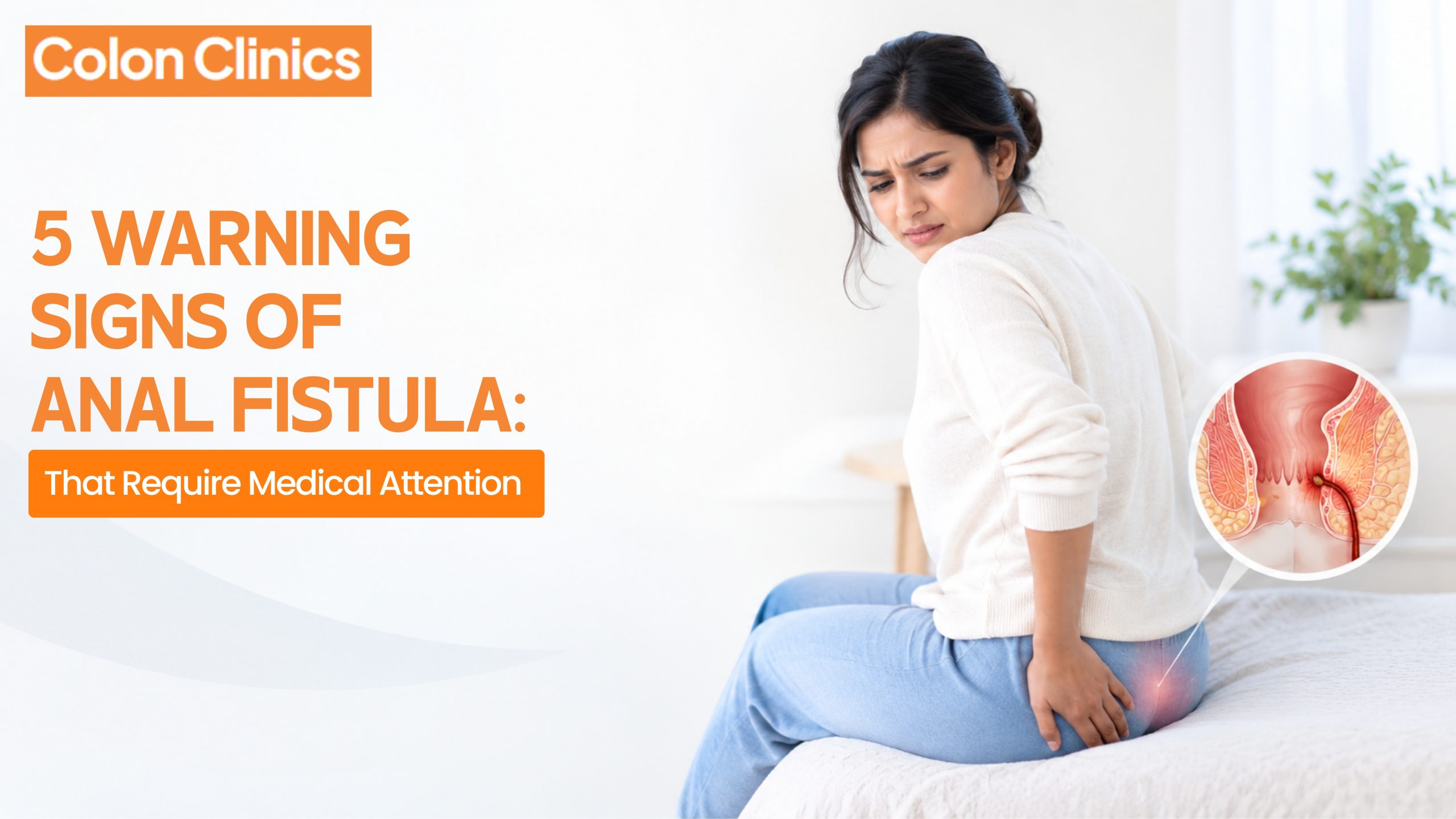
An anal fistula is an abnormal tunnel between the anal canal and the skin near the anus. It often develops after an infection that leads to an abscess. Symptoms include:
- Persistent pain and swelling
- Discharge of pus or blood
- Recurrence of infection
- Difficulty in controlling bowel movements in severe cases
Without proper treatment, fistulas rarely heal on their own and can worsen over time.
Why Fistula Surgery Is Challenging
Unlike gallbladder stones, which have a clear gold standard treatment (laparoscopic cholecystectomy), fistula surgery does not have a single universally accepted best procedure. The reason is simple: fistulas vary in type, complexity, and location. Some are simple, while others are high, branching, or associated with conditions like Crohn’s disease, tuberculosis, or diabetes.
A good fistula surgery should meet four key criteria:
- It should be minimally invasive, with less tissue damage.
- It should cause minimal pain and bleeding.
- Recovery should be quick, allowing patients to return to normal life early.
- It should avoid complications, especially damage to the anal sphincter, which can lead to incontinence.
Common Fistula Surgery Options
Over the years, more than 14 types of fistula surgeries have been described. Here are the most common ones:
1. Fistulotomy
This involves opening the fistula tract and allowing it to heal from the inside out. While effective for simple fistulas, it carries a risk of sphincter damage and incontinence in complex cases.
2. Fistulectomy
This procedure removes the entire fistula tract from the external to the internal opening. It reduces recurrence but increases the risk of sphincter injury and longer healing times.
3. LIFT (Ligation of Intersphincteric Fistula Tract)
In this technique, the fistula tract is identified between the sphincter muscles and ligated. The advantage is that it preserves sphincter function, reduces recurrence, and avoids incontinence.
4. VAAFT (Video‑Assisted Anal Fistula Treatment)
This minimally invasive procedure uses a small camera to visualize and close the fistula tract. It is precise but requires specialized equipment and expertise.
5. Laser Fistula Surgery
Laser probes are used to close the fistula tract from within. This method is minimally invasive, causes little pain, and allows faster recovery.
Why Laser + LIFT Is the Best Choice
At Colon Clinics, Visakhapatnam, Dr. Ramesh Baipalli combines laser surgery with LIFT to maximize patient outcomes. This hybrid approach offers several advantages:
- Minimal Damage: The LIFT technique ensures sphincter preservation, while the laser closes the tract with precision.
- Low Recurrence: Combining two advanced methods reduces the chance of fistula coming back.
- Quick Recovery: Patients often return to normal activities within days, with minimal need for dressings.
- Less Pain and Bleeding: Laser cauterization reduces bleeding and discomfort.
- Day‑Care Procedure: Many patients can be discharged within 24 hours, making it convenient and cost‑effective.
Mapping the Fistula Before Surgery
Dr. Ramesh emphasizes that the success of fistula surgery depends on proper mapping of the fistula tract. Advanced imaging and diagnostic techniques are used to identify:
- Whether the fistula is simple or complex.
- Presence of side branches or secondary tracts.
- Whether it is high or low.
- Associated conditions like Crohn’s disease, tuberculosis, or diabetes.
Only after thorough mapping is the appropriate surgical plan chosen, ensuring safety and effectiveness.
Why Choose Dr. Ramesh Baipalli for Fistula Surgery in Visakhapatnam
When selecting a surgeon for Fistula Surgery in Visakhapatnam, experience and precision matter. At Colon Clinics, we provide:
- Advanced minimally invasive technology
- Personalized surgical planning
- Evidence-based decision making
- Expertise in managing complex and recurrent fistulas
- Sphincter-preserving approach
Dr. Ramesh Baipalli focuses on combining modern technology with meticulous surgical techniques to achieve optimal outcomes.
Conclusion
Choosing the right treatment for anal fistula is not about selecting a popular procedure—it is about selecting the most appropriate, sphincter‑preserving, and minimally invasive solution based on the exact type and complexity of the fistula. A successful outcome depends on accurate fistula mapping, expert surgical judgment, and advanced technology.
While traditional surgeries like fistulotomy and fistulectomy remain useful in selected cases, modern techniques such as Laser Surgery combined with LIFT provide superior benefits: less pain, faster healing, reduced recurrence, and preservation of continence.
At Colon Clinics, under the expertise of Dr. Ramesh Baipalli, we prioritize individualized treatment planning to ensure the best possible outcome for every patient. If you are searching for advanced and reliable fistula surgery in Visakhapatnam, a consultation with our team can help you move toward a safer, more comfortable, and long-lasting solution.
Book your consultation today at Colon Clinics and take the first step toward advanced, safe, and effective fistula surgery in Visakhapatnam. Contact us at +91 7075559951.