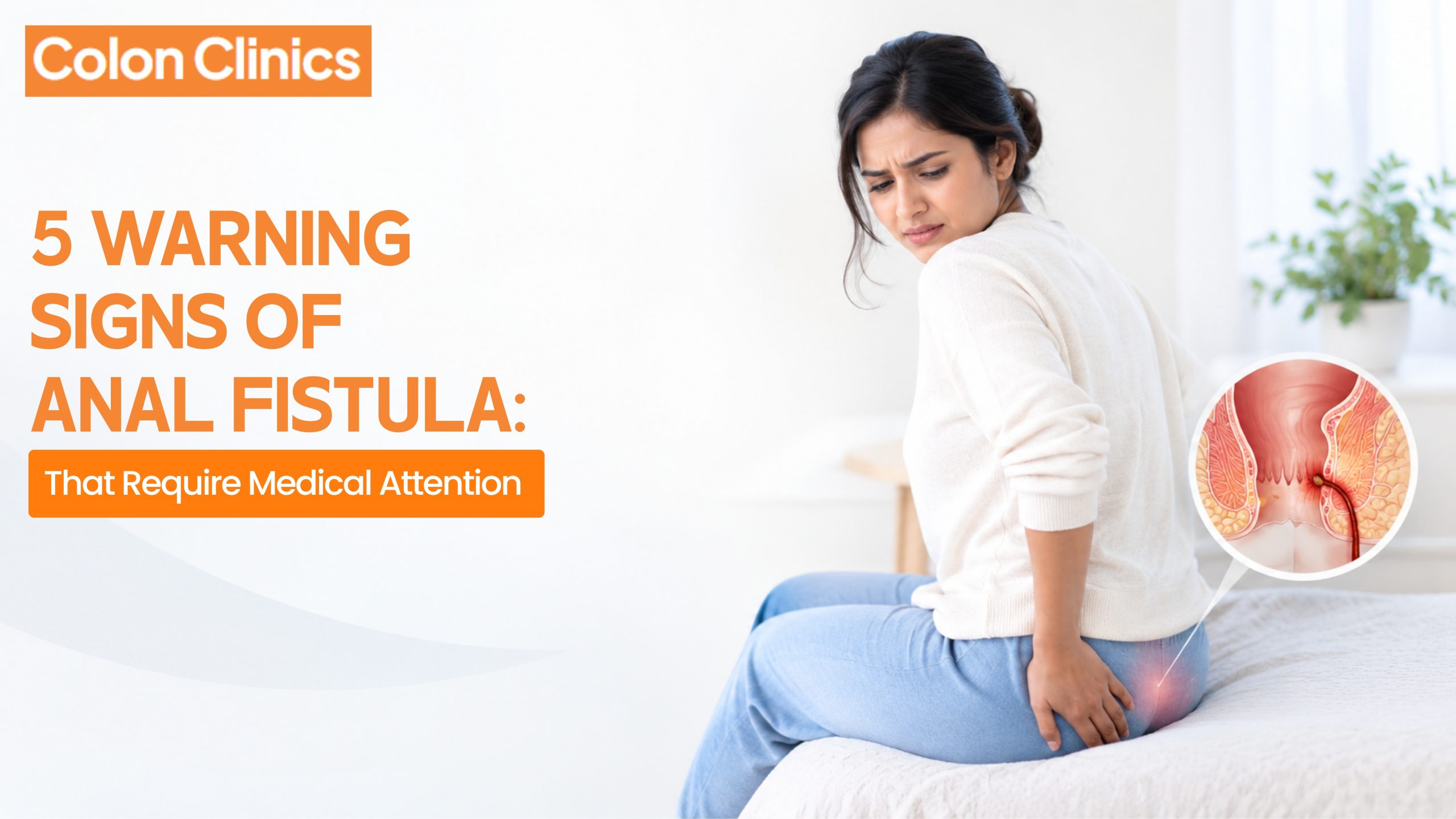
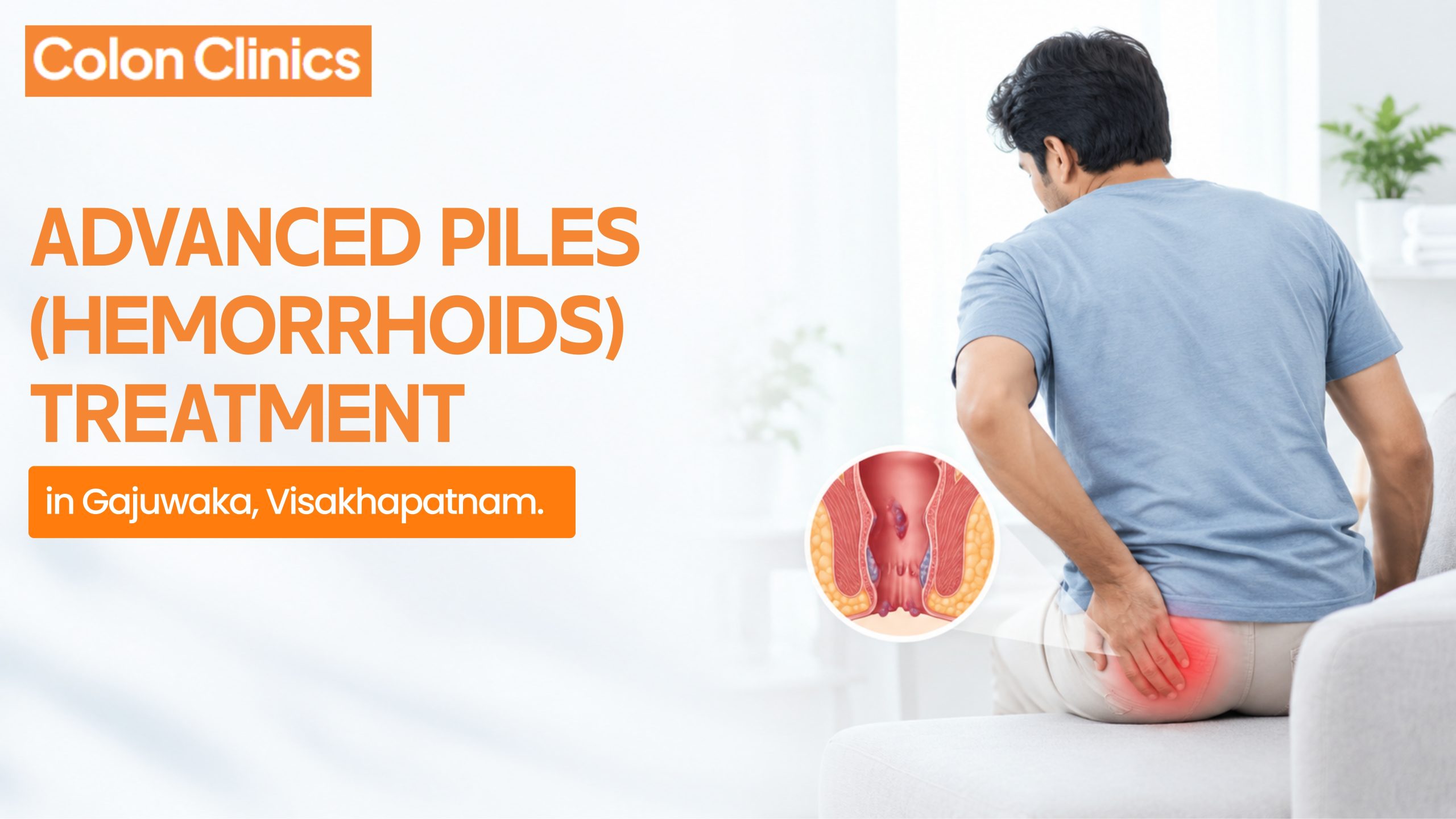
An anal fistula is an abnormal tunnel that develops between the inside of the anus or rectum and the skin around the anus. It often develops after an anal abscess becomes infected and does not heal completely. While an anal fistula may initially seem like a minor problem, ignoring the symptoms can allow the condition to become persistent or lead to recurrent infections.
Recognizing the warning signs early can help you seek appropriate medical care before the condition becomes more complicated. If you notice persistent pain, swelling, discharge, or other unusual symptoms around the anus, consulting a colorectal specialist is important.
At Colon Clinics, Vizag, patients can receive evaluation and treatment guidance for anorectal conditions, including anal fistula. Dr. Baipalli Ramesh can assess the symptoms, determine the underlying problem, and recommend an appropriate treatment approach based on the individual’s condition.
What Is an Anal Fistula?
An anal fistula is a small abnormal tunnel that develops between the inside of the anus and the surrounding skin. Most anal fistulas develop after an anal abscess ruptures or is not adequately drained. Once the tract forms, bacteria can continue to pass through it, resulting in repeated inflammation, discharge, and infection.
Common causes and associated conditions include:
- Previous anal abscess
- Crohn’s disease
- Tuberculosis
- Previous anorectal surgery
- Trauma around the anal region
- Chronic infections
- Inflammatory bowel disease
Early recognition of the symptoms of anal fistula can help reduce the risk of recurrent infections, additional fistula tracts, and damage to the surrounding tissues.
5 Warning Signs of Anal Fistula
1. Persistent Pain Around the Anus
One of the common warning signs of an anal fistula is ongoing or recurring pain around the anus. The discomfort may become more noticeable when sitting, walking, passing stools, or during bowel movements. The intensity of pain can vary. Some people experience a dull, persistent ache, while others may develop more severe pain when an infection or abscess is present.
If anal pain continues for several days or keeps returning, it should not be ignored. A medical examination can help determine whether an anal fistula, abscess, fissure, piles, or another condition is responsible.
2. Pus or Persistent Discharge From an Opening
Another important warning sign is recurrent discharge from a small opening near the anus. The discharge may contain pus and can sometimes have an unpleasant smell. You may notice staining on your underwear or discharge appearing periodically rather than continuously. Some people experience temporary relief after the discharge comes out because pressure from the infected area decreases.
However, recurring discharge often indicates that an underlying fistulous tract may still be present. Even if the pain decreases after drainage, the condition may continue beneath the skin.
3. Swelling, Redness, or a Lump Near the Anus
An anal fistula may cause swelling, redness, tenderness, or a small lump near the anus. These symptoms can become more noticeable when infection develops inside the fistula. In some cases, the swelling may increase gradually and become painful. If pus accumulates and forms another abscess, you may experience significant tenderness and difficulty sitting comfortably.
A recurring lump that becomes swollen and then releases pus should be evaluated by a doctor. Repeated cycles of swelling and drainage may indicate a persistent fistula.
4. Recurrent Anal Abscesses
A history of repeated anal abscesses is another warning sign that should receive medical attention. An abscess can cause sudden pain, swelling, warmth, redness, and sometimes fever. While draining an abscess may provide relief, the underlying cause may remain. If the same area becomes swollen and infected again after treatment, an anal fistula could be responsible.
Recurrent abscesses should not simply be treated as isolated infections without identifying why they keep occurring. Proper evaluation can help determine whether an abnormal tract has developed.
5. Fever and General Illness
Fever can be a sign that an infection is becoming more significant. When fever occurs along with anal pain, swelling, or discharge, it should receive prompt medical attention. Other symptoms may include chills, fatigue, weakness, loss of appetite, and a general feeling of being unwell. An untreated infection can potentially spread into the surrounding tissues. Therefore, fever associated with symptoms of an anal abscess or fistula should not be ignored.
Who Is More Likely to Develop an Anal Fistula?
Certain conditions may increase the likelihood of developing an anal fistula. People who have previously experienced an anal abscess are particularly important to monitor for recurring symptoms.
Higher-risk groups may include:
- People with previous anal abscesses
- Patients with Crohn’s disease
- People with weakened immunity
- Patients with inflammatory bowel disease
- Individuals with repeated anorectal infections
Having a risk factor does not necessarily mean that you will develop an anal fistula. However, persistent or recurring symptoms should be evaluated by a healthcare professional.
How Is an Anal Fistula Diagnosed?
A doctor generally begins with a detailed medical history and physical examination. The area around the anus is examined for external openings, swelling, tenderness, discharge, or signs of previous abscesses.
Depending on the complexity and location of the fistula, additional investigations may sometimes be recommended. Imaging techniques such as MRI can help identify the fistula tract and its relationship with the anal sphincter muscles in selected cases.
Accurate diagnosis is important because fistulas can vary significantly in their location and complexity. Treatment decisions depend on factors such as the fistula’s path, involvement of the sphincter muscles, previous procedures, and the presence of active infection.
Advanced Fistula Treatment Options at Colon Clinics
The appropriate anal fistula treatment in Vizag depends on the fistula’s location, complexity, and relationship with the surrounding anal muscles. A colorectal specialist can recommend the most appropriate approach after evaluating the condition.
Treatment options may include:
1. Laser Fistula Treatment
This minimally invasive procedure uses laser energy to seal and treat the fistula tract. It reduces pain, bleeding, and hospital stay compared to traditional surgery. Patients benefit from faster recovery and minimal scarring, making it one of the most advanced options available.
2. LIFT Procedure (Ligation of the Intersphincteric Fistula Tract)
The LIFT technique is designed to preserve the anal sphincter while treating selected complex fistulas. It involves carefully ligating the fistula tract between the sphincter muscles. This approach aims to treat the fistula while minimizing the risk of damage to sphincter function.
3. Seton Placement
Seton placement is often recommended for complex or high fistulas. A surgical thread is placed inside the tract to allow continuous drainage and prevent infection. It helps prepare the fistula for staged treatment while protecting sphincter function.
4. Fistulotomy and Fistulectomy
These are traditional surgical methods where the fistula tract is either opened (fistulotomy) or removed (fistulectomy). Fistulotomy is commonly considered for selected simple fistulas where the tract can be safely treated without significantly affecting sphincter function. Fistulectomy may be considered in specific cases based on the fistula’s characteristics.
5. VAAFT (Video‑Assisted Anal Fistula Treatment)
VAAFT is a modern, minimally invasive technique that uses an endoscopic camera to visualize the fistula tract internally. Surgeons can precisely locate and treat the fistula without damaging surrounding tissues. This method offers quicker healing, less pain, and reduced recurrence rates.
Can an Anal Fistula Heal on Its Own?
In most cases, an established anal fistula does not completely heal without appropriate treatment. The external opening may temporarily close, but the tract underneath can remain.
This may result in repeated cycles of swelling, pain, infection, and discharge. Delaying evaluation can sometimes make the condition more complicated.
Therefore, if you notice recurring discharge or swelling around the anus, it is better to consult a qualified specialist rather than repeatedly managing the symptoms at home.
How Can You Reduce the Risk of Complications?
Not every anal fistula can be prevented, but taking care of your colorectal health may help reduce the risk of infection and complications.
Helpful measures include:
- Maintaining good anal hygiene
- Eating a high-fibre diet
- Drinking adequate water
- Avoiding constipation
- Getting anal abscesses treated promptly
- Managing underlying conditions such as Crohn’s disease
- Attending recommended follow-up appointments
When Should You See a Doctor?
You should consider medical evaluation if you have:
- Persistent or recurring pain around the anus
- Pus or foul-smelling discharge
- A small opening or wound near the anus that does not heal
- Repeated swelling or a lump in the same area
- Recurrent anal abscesses
- Persistent irritation or itching around the anal region
- Fever or increasing pain associated with swelling
Seeking treatment early can help identify the underlying problem and prevent repeated episodes of infection.
Why Choose Colon Clinics for Fistula Treatment in Vizag?
Choosing the right hospital for fistula treatment can make all the difference in recovery, comfort, and long‑term results. At Colon Clinics, Vizag, patients benefit from expert care, advanced technology, and compassionate support.
- Expertise of Dr. Baipalli Ramesh: Renowned surgical gastroenterologist with extensive experience in treating fistulas and other anorectal conditions.
- Advanced Technology: Modern diagnostic tools and minimally invasive procedures for faster recovery.
- Patient‑Centric Care: Compassionate approach that prioritizes comfort, privacy, and clear communication.
- Comprehensive Treatment Plans: Tailored solutions based on the fistula’s complexity and patient’s health.
Final Thoughts
Recognising the warning signs of anal fistula early can help prevent recurrent infections, persistent pain, and complications. The five important symptoms to watch for are persistent anal pain, continuous pus or blood discharge, swelling and redness, recurrent anal abscesses, and fever or general illness.
An anal fistula often develops following an anal abscess and may not heal completely without appropriate treatment. If you experience recurring symptoms, seek medical evaluation rather than waiting for them to disappear. At Colon Clinics, under the guidance of Dr.Baipalli Ramesh, patients receive specialized, advanced, and compassionate care for fistula treatment.
If you are experiencing these symptoms, schedule a consultation at Colon Clinics today and take the first step toward lasting relief. Contact us at: +91 7075559951