The work-from-home lifestyle has made professional life more flexible and convenient. People can work from the comfort of their homes, avoid long commutes, and spend more time with their families. However, sitting for several hours at a desk every day, combined with reduced physical activity and unhealthy eating habits, can negatively affect digestive and bowel health.
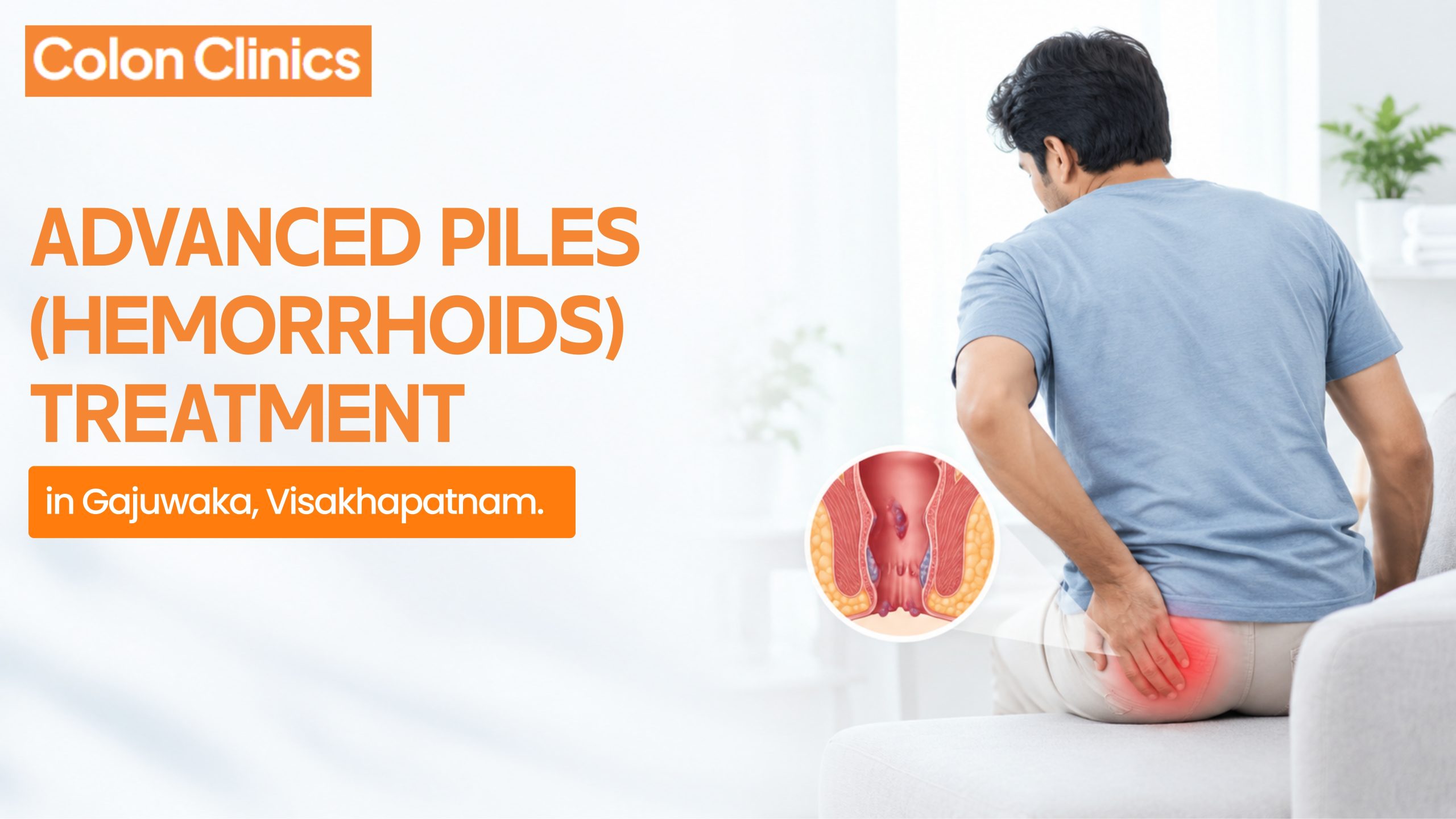
One condition that may become more noticeable with these lifestyle habits is piles, medically known as hemorrhoids. Piles are swollen and inflamed veins around the anus or lower rectum. They can cause symptoms such as pain, itching, irritation, swelling, and bleeding during bowel movements.
While working from home does not directly cause piles, certain habits associated with a sedentary work-from-home routine may increase the risk of constipation and other factors that contribute to hemorrhoids.
If you are experiencing persistent piles symptoms and searching for piles treatment in Vizag, consulting an experienced specialist can help identify the cause and determine an appropriate treatment plan. At Colon Clinics, Dr. Ramesh Baipalli provides evaluation and treatment for various anorectal conditions, including piles.
What Are Piles?
Piles, or hemorrhoids, are swollen blood vessels in the lower rectum and anal region. They can develop internally inside the rectum or externally under the skin around the anus.
Piles can affect people of different age groups and may be influenced by several factors, including constipation, straining during bowel movements, prolonged sitting, low physical activity, pregnancy, and dietary habits.
While mild piles may sometimes improve with lifestyle changes, persistent or recurrent symptoms should be evaluated by a qualified doctor.
How Can Working From Home Increase the Risk of Piles?
Working from home itself does not directly cause piles. However, certain habits commonly associated with a sedentary work-from-home routine may contribute to factors that increase the likelihood of hemorrhoid symptoms.
1. Sitting for Long Hours
One of the biggest changes associated with working from home is spending extended periods sitting at a desk.
Many people may sit continuously for several hours while attending online meetings, working on computers, or completing daily tasks. Long periods of inactivity can contribute to a sedentary lifestyle and may affect normal bowel habits.
Taking regular movement breaks throughout the workday can help reduce the amount of uninterrupted sitting.
2. Reduced Physical Activity
A traditional office routine may involve walking to and from transportation, moving between departments, or taking short breaks away from the desk. Working from home can reduce these small amounts of daily movement.
Regular physical activity supports overall health and can help promote normal bowel function. A lack of movement may contribute to constipation, especially when combined with a low-fibre diet and inadequate fluid intake.
Even simple activities such as walking for a few minutes several times during the day can help break up long periods of sitting.
3. Straining During Bowel Movements
Straining is one of the common factors associated with hemorrhoids. When stools are hard or difficult to pass, people may spend more time on the toilet and push harder.
Repeated straining can increase pressure on the blood vessels around the anus and may contribute to the development or worsening of piles.
If you frequently need to strain, it is important to look at the underlying cause rather than simply ignoring the problem.
4. Ignoring the Urge to Use the Bathroom
Busy work schedules can make people delay bathroom breaks. You may be in the middle of a meeting, completing an urgent task, or working toward a deadline.
Regularly ignoring the natural urge to pass stool may affect bowel habits and can contribute to constipation in some people.
Instead of delaying bowel movements, try to respond to your body’s natural signals whenever possible.
5. Not Drinking Enough Water
People working from home may become so focused on meetings, deadlines, or computer work that they forget to drink enough water.
Inadequate fluid intake can contribute to harder stools in some individuals. Hard stools can make bowel movements more difficult and may increase the need to strain.
Keeping a water bottle near your workspace can make it easier to remember to drink water regularly throughout the day.
6. Spending Too Much Time on the Toilet
Another habit that can become common while working from home is spending extended periods on the toilet while using a smartphone.
Sitting on the toilet for a long time can increase pressure around the anal region. Try to avoid unnecessary prolonged toilet sitting and focus on completing your bowel movement without spending excessive time there.
7. Unhealthy Eating Habits
Working from home can sometimes lead to irregular meal timings, frequent snacking, processed foods, and inadequate intake of fruits and vegetables.
A diet low in fiber can make stools harder and increase the risk of constipation. Including fiber-rich foods such as vegetables, fruits, whole grains, and other suitable sources can support regular bowel movements.
Common Symptoms of Piles
Piles can produce different symptoms depending on their type and severity. Common symptoms may include:
- Bleeding during or after bowel movements
- Pain or discomfort around the anus
- Itching or irritation
- Swelling around the anal region
- A lump or feeling of fullness
- Discomfort while sitting
- Difficulty or discomfort during bowel movements
Rectal bleeding should not automatically be assumed to be caused by piles. Other conditions can also cause bleeding, so persistent or unexplained symptoms should be medically evaluated.
How Can You Reduce Your Risk of Piles While Working From Home?
A few practical changes can help support better bowel and digestive health while maintaining a home-based work routine.
1. Take Regular Movement Breaks: Avoid sitting continuously for several hours. Stand up, walk around your home, stretch, or take a short movement break at regular intervals.
2. Eat More Fiber: Include suitable fiber-rich foods such as fruits, vegetables, whole grains, legumes, and other sources recommended for your diet. Increasing fiber gradually can help support regular bowel movements.
3. Stay Hydrated: Keep water nearby while working and make hydration part of your daily routine.
4. Avoid Straining: Do not force bowel movements or spend excessive time sitting on the toilet. Respond to the natural urge to pass stool when possible.
5. Exercise Regularly: Walking and other suitable physical activities can help reduce sedentary time and support overall health.
6. Maintain a Healthy Weight: Maintaining a healthy lifestyle can help reduce several risk factors associated with digestive and colorectal conditions.
When Should You See a Doctor for Piles?
Occasional mild discomfort may improve with appropriate lifestyle changes, but persistent symptoms should not be ignored.
You should consider consulting a doctor if you experience:
- Recurrent rectal bleeding
- Persistent anal pain
- A painful or swollen lump
- Symptoms that do not improve
- Repeated episodes of constipation and straining
- Significant changes in bowel habits
Early evaluation can help identify whether the symptoms are actually caused by piles or another anorectal condition.
Piles Treatment in Vizag at Colon Clinics
If lifestyle changes are not enough or piles symptoms continue to interfere with your daily life, professional evaluation is important. At Colon Clinics, Dr. Ramesh Baipalli evaluates patients with piles and other anorectal conditions and recommends treatment based on the individual’s symptoms, severity, and clinical condition.
Treatment for piles can vary depending on the type and severity. They may include lifestyle and dietary changes, medicines, minimally invasive procedures, or surgical treatment when required. With a focus on accurate diagnosis and personalized care, Colon Clinics ensures that every patient receives the most effective solution for lasting relief and improved quality of life.
Don’t Let Work-From-Home Habits Affect Your Health
Working from home can make daily life more convenient, but prolonged sitting, reduced physical activity, poor hydration, and unhealthy eating habits may contribute to constipation and increase the risk of piles. Simple lifestyle changes, such as staying active, eating enough fiber, drinking adequate water, and avoiding prolonged toilet sitting, can help support healthy bowel habits.
If you are experiencing persistent piles symptoms, timely medical evaluation is important to identify the underlying cause and choose the right treatment. If you are looking for piles treatment in Vizag, Colon Clinics, under the expert guidance of Dr. Ramesh Baipalli, provides personalized care and effective treatment for piles.
Book your appointment with Colon Clinics now and take the first step toward a healthier, more comfortable lifestyle.