Piles, also known as hemorrhoids, are a common anorectal condition that can cause bleeding, itching, swelling, pain, and discomfort during bowel movements. While many people with early-stage piles can manage their symptoms through lifestyle changes, medications, and minimally invasive procedures, advanced hemorrhoids may require surgical treatment.
One of the most common questions patients ask is, “Which grade of piles requires surgery?” The answer depends not only on the grade but also on the severity of symptoms, frequency of recurrence, response to previous treatments, and overall health.
If you are looking for a piles clinic in Vizag, understanding the different grades of piles can help you know when conservative treatment may be sufficient and when a procedure or surgery may be considered. At Colon Clinics, Dr. Ramesh Baipalli provides personalised evaluation and treatment for piles and other colorectal conditions.
What Are Piles?
Piles are swollen and enlarged blood vessels in the lower rectum or around the anus. They may develop when increased pressure is placed on the veins in this area.
Common factors associated with piles include:
- Chronic constipation
- Straining during bowel movements
- A low-fibre diet
- Prolonged sitting
- Pregnancy
- Obesity
- Frequent heavy lifting
- Spending excessive time on the toilet
Piles may be internal or external. Internal piles develop inside the anal canal and are commonly classified into four grades based on whether they prolapse and whether they can return inside the anus.
Understanding the Four Grades of Piles
Doctors classify internal piles into four grades based mainly on how much they prolapse.
1. Grade 1 Piles:
Grade 1 piles remain inside the anal canal and generally do not protrude outside during bowel movements. Patients may experience bright red bleeding, mild irritation, itching, or discomfort.
Most Grade 1 piles can be controlled through conservative treatment. Increasing dietary fibre, drinking enough water, avoiding excessive straining, and managing constipation can help reduce symptoms. Medical treatment may also be recommended when necessary.
Surgery is generally not required for Grade 1 piles.
2. Grade 2 Piles:
Grade 2 piles may protrude through the anus while passing stool or straining but usually return inside on their own after the bowel movement.
Symptoms can include bleeding, itching, irritation, and a feeling of incomplete bowel evacuation. Many Grade 2 cases respond to dietary and lifestyle modifications. If symptoms continue despite conservative treatment, office-based procedures such as rubber band ligation may be considered.
Therefore, Grade 2 piles do not automatically mean that surgery is necessary.
3. Grade 3 Piles:
Grade 3 piles prolapse through the anus during bowel movements but do not return automatically. The prolapsed tissue may need to be gently pushed back inside manually.
This is an important stage because treatment may become more involved. Some selected Grade 3 hemorrhoids can still be treated with office-based procedures, particularly when they are primarily internal and have not responded to conservative measures. However, patients with significant prolapse, persistent symptoms, recurrent bleeding, or combined internal and external hemorrhoids may require surgery.
This means Grade 3 piles may require surgery in some patients, but surgery is not automatically necessary for every Grade 3 case.
4. Grade 4 Piles
Grade 4 piles are the most advanced stage of internal hemorrhoids. The hemorrhoidal tissue remains prolapsed outside the anus and cannot be pushed back inside.
Patients may experience persistent discomfort, irritation, difficulty maintaining hygiene, mucus discharge, bleeding, and problems while sitting or walking. Because of the degree of prolapse and the likelihood of persistent symptoms, Grade 4 piles often require a surgical approach.
Current clinical guidelines state that excisional hemorrhoidectomy should typically be offered to selected patients with symptomatic combined internal and external hemorrhoids in Grades III–IV, depending on the clinical presentation.
When Do Piles Need Surgery?
Apart from the grade, doctors may consider surgery or another procedure when:
1. Persistent or Recurrent Bleeding: Repeated rectal bleeding should not be ignored. Although piles can cause bright red bleeding, bleeding can also occur due to other gastrointestinal conditions. A proper diagnosis is therefore important before assuming that piles are the cause.
2. Piles Keep Prolapsing: If hemorrhoids repeatedly come outside the anus and require manual pushing back, they may need more advanced treatment.
3. Conservative Treatment Does Not Work: If dietary changes, medications, improved bowel habits, and other non-surgical treatments do not provide adequate relief, a procedure may be considered.
4. Symptoms Affect Daily Life: Persistent discomfort, difficulty sitting, repeated swelling, hygiene problems, or disruption of normal activities may indicate the need for further treatment.
5. Complications Develop: Severe swelling, thrombosis, significant bleeding, or other complications may require prompt medical assessment and treatment.
What Treatment Options Are Available?
Treatment depends on the grade and individual condition of the patient. Options may include:
1. Lifestyle and Medical Treatment
Early-stage piles may improve with:
- A high-fibre diet
- Adequate water intake
- Regular physical activity
- Avoiding excessive straining
- Treating constipation
- Avoiding prolonged sitting on the toilet
- Medications recommended by a doctor
These measures can help reduce pressure during bowel movements and control symptoms.
2. Minimally Invasive Procedures
For selected patients, procedures such as rubber band ligation, sclerotherapy, or infrared coagulation may be appropriate, particularly for certain internal hemorrhoids.
These treatments can often be performed without traditional surgery and may provide effective symptom relief.
3. Surgical Treatment
When hemorrhoids are advanced, significantly prolapsed, recurrent, or resistant to other treatments, surgical treatment may be considered.
Depending on the type, grade, and severity of hemorrhoids, a specialist may recommend procedures such as hemorrhoidectomy, stapled hemorrhoidopexy, or another appropriate surgical technique.
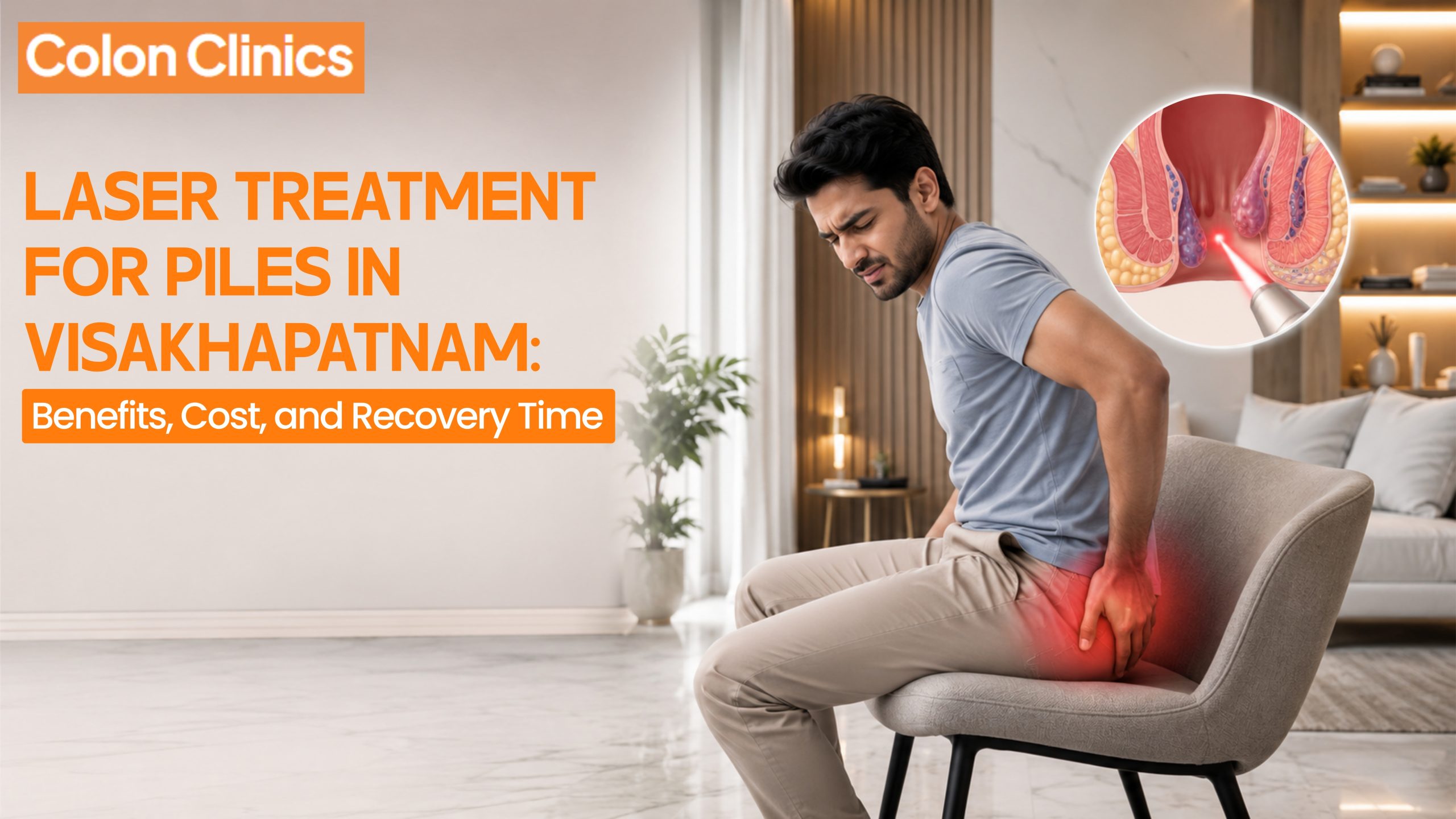
Laser-based procedures may also be considered for selected patients. However, laser treatment is not automatically appropriate for every grade or type of piles. A specialist should determine whether it is suitable after examining the hemorrhoids and understanding the patient’s symptoms.
When Should You Visit a Piles Specialist?
You should consider consulting a specialist if you experience:
- Repeated bleeding during bowel movements
- A lump or tissue protruding from the anus
- Persistent anal pain or discomfort
- Recurrent swelling
- Severe itching or irritation
- Difficulty sitting comfortably
- Piles that repeatedly return despite treatment
- Symptoms that interfere with your daily activities
Early evaluation can help determine the grade of piles and identify the most appropriate treatment before the condition progresses.
How Can You Prevent Piles From Getting Worse?
Healthy bowel habits can help reduce symptoms and lower the risk of piles progressing. Simple measures include:
- Eat fibre-rich foods such as fruits, vegetables, whole grains, and legumes.
- Drink enough water throughout the day.
- Avoid excessive straining during bowel movements.
- Do not spend unnecessary time sitting on the toilet.
- Stay physically active.
- Treat constipation early.
- Seek medical advice if bleeding or prolapse repeatedly occurs.
These habits can reduce straining and pressure during bowel movements and may help control symptoms in many patients.
Why Choose Colon Clinics for Piles Treatment in Vizag?
If you are searching for Piles Treatment in Vizag, choosing an experienced specialist can help ensure that your condition is properly assessed before treatment is recommended.
At Colon Clinics, Dr. Ramesh Baipalli provides personalised care for piles, fissures, fistulas, and other colorectal conditions. The treatment plan is based on the grade of piles, symptoms, medical history, and individual requirements. Depending on the condition, patients may be considered for lifestyle management, medication, minimally invasive procedures, or appropriate surgical techniques.
The objective is not simply to treat the visible piles but to address the underlying factors contributing to the condition while helping patients achieve long-term relief.
Final Thoughts
Piles do not always require surgery. Grade 1 and many Grade 2 piles can often be managed without surgery, while Grade 3 may require a procedure or surgery in selected cases. Grade 4 piles are more likely to require surgical treatment because the hemorrhoids remain permanently prolapsed.
If you are experiencing recurrent bleeding, prolapse, pain, or discomfort, do not delay professional evaluation. With the right diagnosis and personalized treatment plan, piles can be effectively managed.
For expert Piles treatment in Vizag, consult Dr. Ramesh Baipalli at Colon Clinics for personalised evaluation and appropriate treatment options.
For more details, visit Colon Clinics or call +91 7075559951 to schedule an appointment.