Prolapsed piles are a common anorectal condition in which swollen hemorrhoidal tissues extend outside the anus. They can cause discomfort, bleeding, itching, swelling, and difficulty during bowel movements. While mild cases may improve with medications and lifestyle modifications, advanced prolapsed piles can interfere with daily activities and may require medical procedures or surgery.
Many people delay treatment because of embarrassment or the assumption that piles will resolve on their own. However, ignoring persistent symptoms can allow the condition to worsen. Understanding the different grades of prolapsed piles and available treatment options can help patients make informed decisions. If you are looking for piles treatment in Vizag, Colon Clinics provides personalized evaluation and advanced treatment options under the guidance of Dr. Baipalli Ramesh.
What Are Prolapsed Piles?
Piles, medically known as hemorrhoids, are swollen blood vessels located inside or around the anus and lower rectum. They develop when increased pressure affects the blood vessels in this region, causing them to become enlarged and inflamed.
Prolapsed piles occur when internal hemorrhoidal tissue moves downward and protrudes through the anal opening. Depending on the severity, the tissue may return inside automatically, require manual pushing, or remain outside permanently.
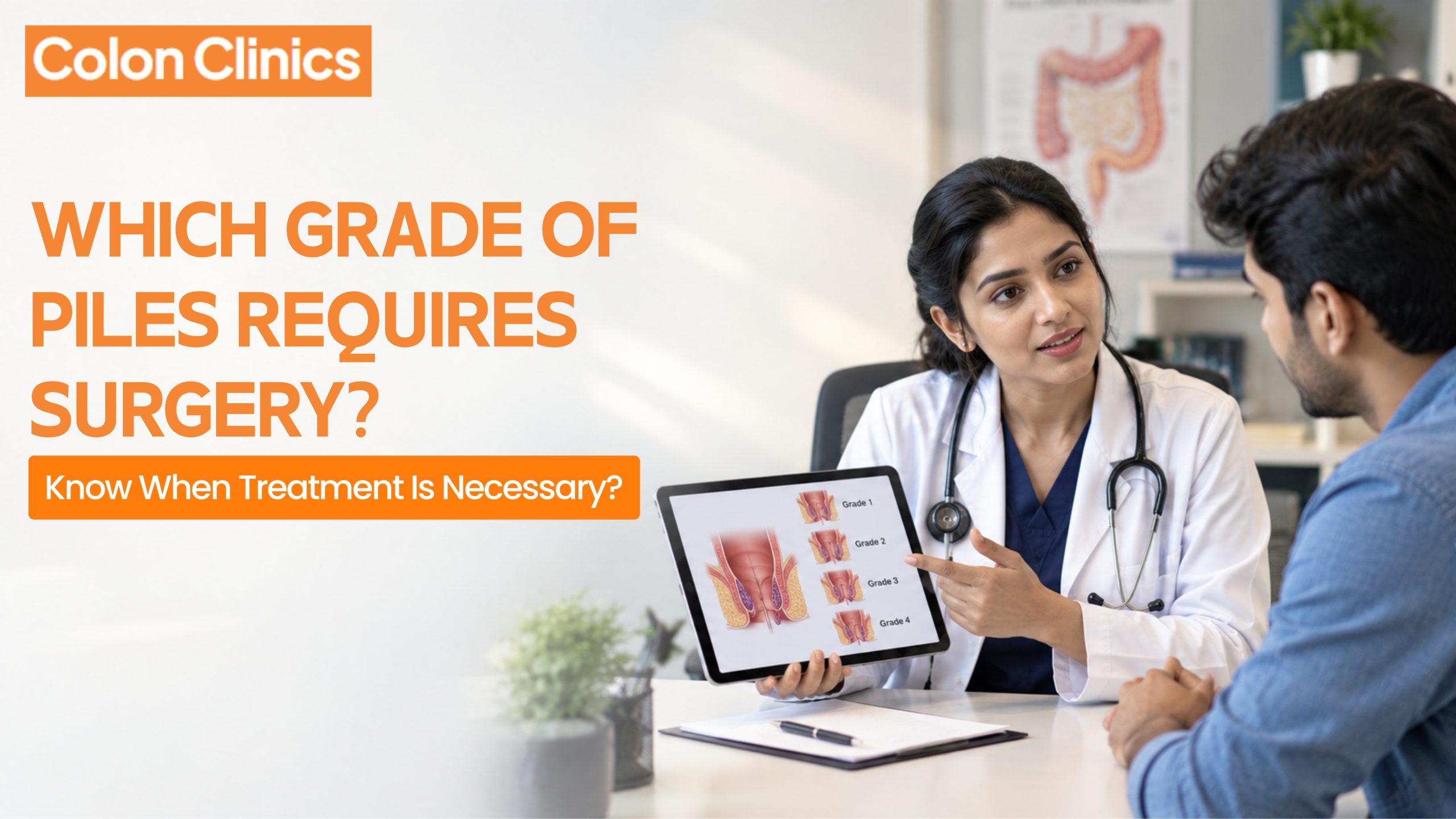
Prolapsed piles are generally classified into different grades based on how far the hemorrhoids extend outside the anus and whether they can return inside naturally.
What Are the Different Grades of Prolapsed Piles?
Understanding the grades of piles helps determine the appropriate treatment approach.
1. Grade 1 Piles: These hemorrhoids remain inside the anal canal and do not protrude outside. They may cause bleeding, itching, or mild irritation during bowel movements. Surgery is generally not required, and symptoms can often be managed through dietary changes and medications.
2. Grade 2 Piles: These piles protrude outside the anus during bowel movements or straining but return inside automatically. Patients may experience bleeding, discomfort, and itching. Lifestyle modifications and minimally invasive procedures may help manage this condition.
3. Grade 3 Piles: These hemorrhoids protrude outside the anus during bowel movements and do not return automatically. Patients may need to push the swollen tissue back inside manually. Depending on the severity, treatment may involve office-based procedures or surgery.
4. Grade 4 Piles: These are the most advanced form of prolapsed hemorrhoids. The swollen tissue remains outside the anus and cannot be pushed back inside. Patients may experience persistent discomfort, swelling, irritation, and difficulty maintaining hygiene. Surgical treatment is frequently considered for symptomatic Grade 4 piles.
Common Symptoms of Prolapsed Piles
The symptoms of prolapsed piles can vary depending on their severity and the extent of tissue protrusion.
Some common symptoms include:
- Lump Outside the Anus: A swollen or soft lump may become noticeable around the anal opening, particularly during or after bowel movements.
- Bleeding During Bowel Movements: Bright red blood may appear on toilet paper, in the toilet bowl, or on the surface of stools.
- Pain and Discomfort: Prolapsed piles can cause discomfort while sitting, walking, or passing stools.
- Itching and Irritation: Mucus discharge and difficulty cleaning the affected area can lead to persistent itching.
- Swelling Around the Anal Region: The affected tissue may become enlarged and swollen.
- Difficulty During Bowel Movements: Some patients experience a feeling of incomplete evacuation or discomfort while passing stools.
If these symptoms persist or worsen, consulting a piles specialist in Vizag is important to identify the cause and determine appropriate treatment.
What Causes Prolapsed Piles?
Several factors can increase pressure on the blood vessels around the anus and contribute to hemorrhoid development.
1. Chronic Constipation: Hard stools and repeated straining during bowel movements increase pressure on the hemorrhoidal blood vessels.
2. Low-Fibre Diet: Insufficient fibre intake can lead to constipation and difficult bowel movements, increasing the risk of piles.
3. Prolonged Sitting: Sitting for extended periods, particularly on the toilet, can increase pressure around the anal region.
4. Pregnancy: Increased abdominal pressure and hormonal changes during pregnancy can contribute to hemorrhoid development.
5. Obesity: Excess body weight can increase pressure on the pelvic and rectal blood vessels.
6. Ageing: The supporting tissues around the rectum and anus may become weaker with age, increasing the likelihood of hemorrhoidal prolapse.
7. Heavy Lifting: Repeated heavy lifting and excessive straining may increase pressure within the abdominal and pelvic regions.
When Is Surgery Necessary for Prolapsed Piles?
Not every case of prolapsed piles requires surgery. The treatment depends on the grade of hemorrhoids, severity of symptoms, and response to conservative management.
However, surgery or other procedures may be recommended in the following situations:
1. Grade 3 and Grade 4 Prolapse: Advanced hemorrhoids that repeatedly protrude or remain outside the anus may require procedural or surgical treatment, particularly when they cause significant discomfort.
2. Persistent Bleeding: Recurrent bleeding that does not improve with conservative treatment requires further evaluation. If hemorrhoids are confirmed as the cause, a procedure may be recommended.
3. Severe Pain and Swelling: Persistent pain, significant swelling, or thrombosed external hemorrhoids may require medical or surgical intervention.
4. Failure of Medications: When medications, dietary modifications, and other conservative treatments do not provide sufficient relief, advanced treatment options may be considered.
5. Recurrent Piles: Patients who experience repeated episodes despite previous treatment may benefit from a more definitive procedure.
6. Difficulty Maintaining Hygiene: Large prolapsed hemorrhoids can cause mucus discharge, irritation, and difficulty cleaning the anal region, affecting everyday comfort.
The decision to perform surgery should be made after a proper examination. Grade 3 piles do not always require surgery, while symptomatic Grade 4 piles are more likely to need surgical treatment.
Treatment Options for Prolapsed Piles
Modern medical advancements offer several treatment options depending on the severity and type of hemorrhoids.
1. Medications and Lifestyle Modifications
Mild cases may improve with conservative treatment. Doctors may recommend medications to relieve discomfort, reduce irritation, and manage constipation.
Increasing fibre intake, drinking enough water, avoiding straining, and maintaining regular bowel habits can help reduce pressure on the hemorrhoidal tissues.
2. Rubber Band Ligation
This minimally invasive procedure involves placing a small rubber band around the base of an internal hemorrhoid. It cuts off its blood supply, causing the treated tissue to shrink and eventually fall off. It may be suitable for selected Grade 2 and some Grade 3 internal hemorrhoids.
3. Sclerotherapy
Sclerotherapy involves injecting a medical solution into the hemorrhoidal tissue to reduce its size. It may be recommended for selected internal hemorrhoids.
4. Laser Piles Treatment
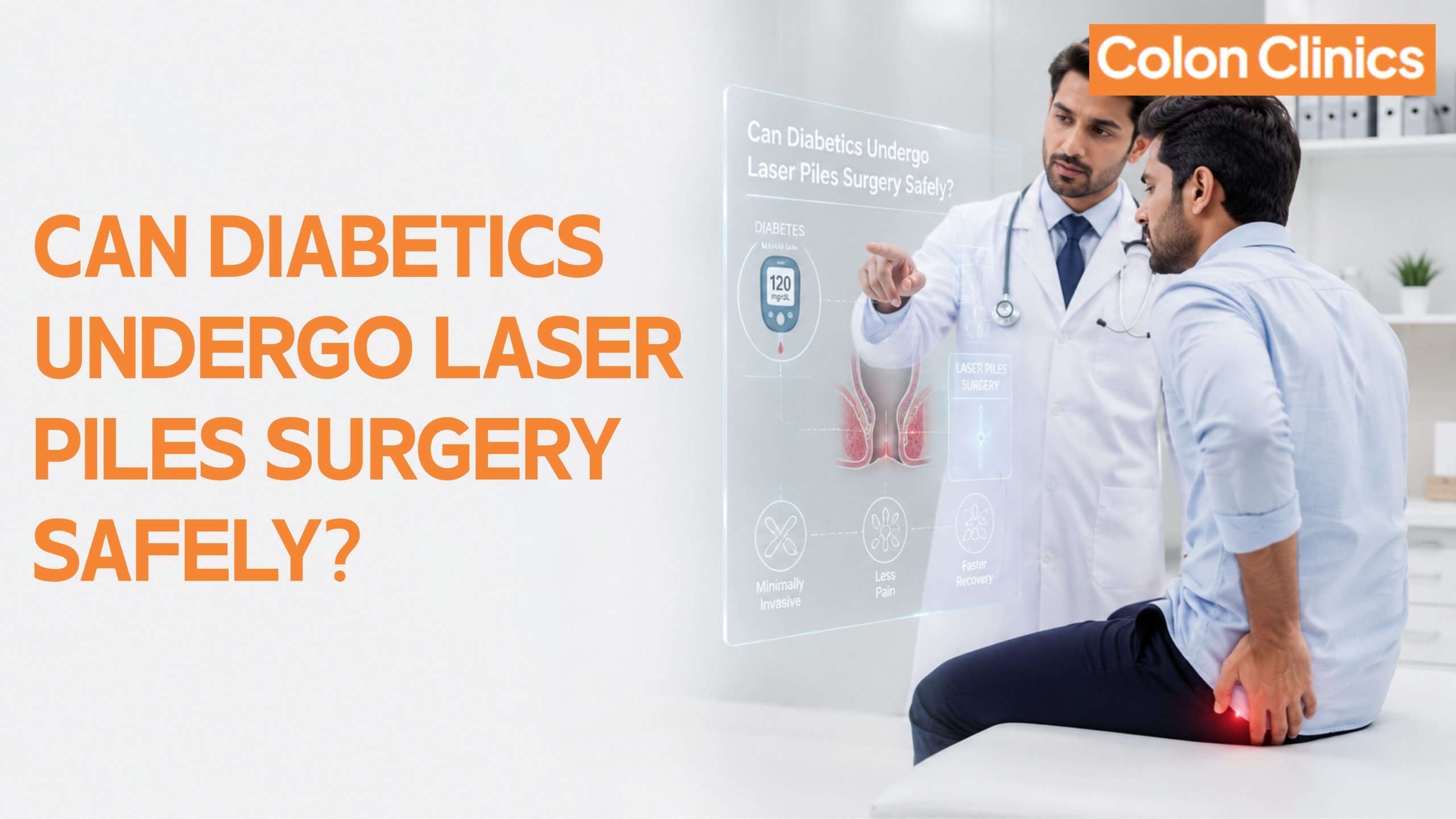
Laser piles treatment uses focused laser energy to shrink or reduce the affected hemorrhoidal tissue. It is a minimally invasive option that may help reduce postoperative discomfort and support faster recovery in suitable patients.
The procedure is performed according to the grade and type of hemorrhoids. Laser treatment may be considered for selected advanced cases, but it is not suitable for every patient.
5. Hemorrhoidectomy
Hemorrhoidectomy is a surgical procedure in which enlarged hemorrhoidal tissue is removed. It is commonly recommended for selected patients with severe external hemorrhoids or symptomatic combined internal and external hemorrhoids, particularly Grades 3 and 4.
The choice between laser treatment and conventional surgery depends on the patient’s condition and clinical findings.
Why Choose Colon Clinics for Piles Treatment in Vizag?
Choosing an experienced specialist is important for diagnosing prolapsed piles and selecting the appropriate treatment. At Colon Clinics, patients receive personalized anorectal care under the guidance of Dr. Baipalli Ramesh, an experienced surgical gastroenterologist with over 20 years of experience.
Here are some reasons to consider Colon Clinics:
1. Experienced Surgeon: Dr. Baipalli Ramesh specializes in piles, anal fissures, fistulas, and other colorectal conditions.
2. Advanced Treatment Options: The clinic offers laser piles treatment and other appropriate treatment approaches based on individual requirements.
3. Personalized Treatment Plans: Treatment recommendations are based on the grade of piles, symptoms, medical history, and overall health.
4. Minimally Invasive Procedures: Suitable patients may benefit from minimally invasive treatment options designed to reduce procedural discomfort and support recovery.
5. Comprehensive Patient Care: Patients receive professional guidance, treatment recommendations, and follow-up advice to support long-term symptom management.
Final Thoughts
Prolapsed piles can range from mild conditions that respond to lifestyle changes to advanced hemorrhoids that require surgical intervention. While Grade 1 and Grade 2 piles can often be managed without surgery, Grade 3 and Grade 4 piles may require more advanced treatment depending on their severity.
If you are experiencing persistent bleeding, pain, swelling, or tissue protruding outside the anus, do not delay medical evaluation. Early diagnosis and appropriate treatment can help prevent complications and improve your quality of life.
For advanced piles treatment in Vizag, consult Dr. Ramesh Baipalli at Colon Clinics. Book your appointment today to receive personalised evaluation and guidance on suitable treatment options.
For more information, visit Colon Clinics or call +91 7075559951 to schedule an appointment.