Anal and rectal disorders are among the most common health concerns affecting people of all age groups. Two conditions that are frequently confused with each other are piles (hemorrhoids) and anal fistula. Although both conditions affect the anal region and can cause discomfort, pain, and difficulty during bowel movements, they are entirely different diseases with distinct causes, symptoms, and treatment approaches.
Understanding the difference between piles and fistula is essential for early diagnosis and effective treatment. At Colon Clinics, we provide advanced diagnosis and minimally invasive treatments under the expert guidance of Dr. Ramesh Baipalli, helping patients achieve faster recovery and long-term relief.
What Are Piles (Hemorrhoids)?
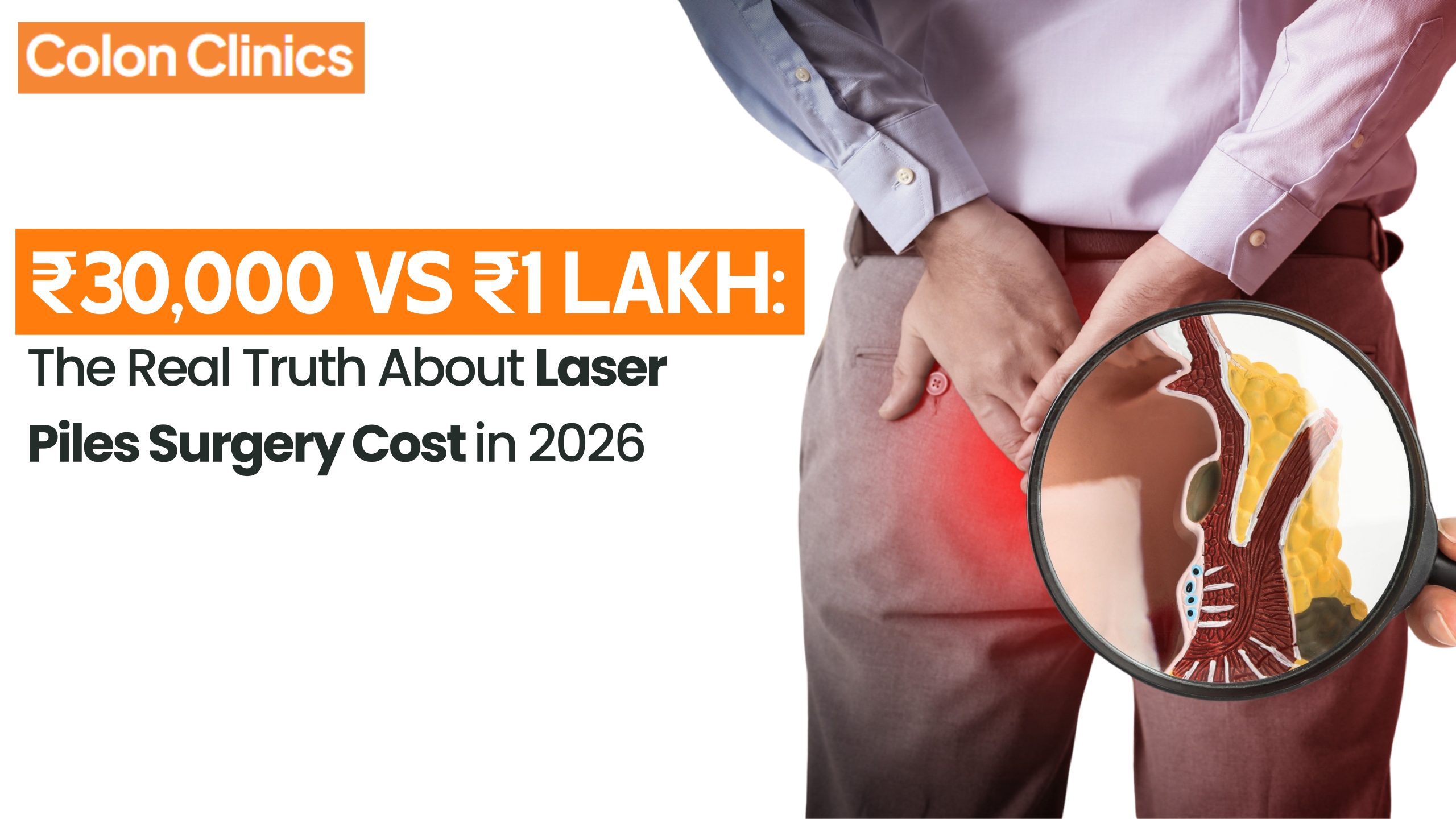
Piles, also known as hemorrhoids, are swollen and enlarged veins located in the lower rectum and anus. Similar to varicose veins, hemorrhoids develop when excessive pressure is exerted on the blood vessels around the anal region.
Piles can be classified into two major categories:
- Internal Piles: Internal hemorrhoids develop inside the rectum and are generally not visible from the outside. They may cause painless bleeding during bowel movements.
- External Piles: External hemorrhoids occur under the skin surrounding the anus and can cause pain, itching, swelling, and discomfort.
Common Causes of Piles
Several factors contribute to the development of hemorrhoids, including:
- Chronic constipation
- Straining during bowel movements
- Low-fiber diet
- Obesity
- Pregnancy
- Sedentary lifestyle
- Prolonged sitting
- Aging
Symptoms of Piles
The symptoms of hemorrhoids vary depending on the severity and type of piles. Common symptoms include:
- Bright red blood during or after bowel movements
- Itching around the anus
- Pain or discomfort while sitting
- Swelling near the anal opening
- Mucus discharge
- A lump near the anus
- Feeling of incomplete bowel evacuation
When left untreated, piles may worsen over time and significantly affect daily activities and quality of life.
What Is an Anal Fistula?
An anal fistula is an abnormal tunnel or passage that develops between the anal canal and the skin surrounding the anus. It usually occurs as a result of an infection in the anal glands that leads to an abscess.
When an abscess fails to heal completely, a tract may remain, creating a fistula.
Common Causes of Anal Fistula
Anal fistulas often develop due to:
- Anal abscesses
- Chronic infections
- Crohn’s disease
- Tuberculosis
- Trauma to the anal region
- Previous anorectal surgery
- Inflammatory bowel diseases
Unlike piles, fistulas are generally associated with infection and pus formation.
Symptoms of Anal Fistula
Common signs and symptoms include:
- Persistent pain around the anus
- Swelling near the anal opening
- Pus discharge
- Foul-smelling drainage
- Skin irritation
- Recurrent abscesses
- Fever in some cases
- Pain while sitting or walking
These symptoms tend to recur if the fistula is not treated properly.
Piles vs Fistula: Key Differences
Many patients assume that piles and fistula are the same condition because both affect the anal region. However, they differ significantly in terms of cause, symptoms, and treatment.
| Feature | Piles | Fistula |
| Nature of Condition | Swollen veins in the rectum or anus | Abnormal tunnel between anal canal and skin |
| Primary Cause | Increased pressure on veins | Infection and abscess formation |
| Bleeding | Common symptom | Less common |
| Pus Discharge | Rare | Common |
| Pain | Mild to moderate | Usually severe and persistent |
| Infection | Not typically associated | Frequently associated |
| Lump | May be present | Often associated with swelling and drainage |
| Treatment | Lifestyle changes, medications, laser procedures | Surgical intervention is usually required |
Understanding these differences helps patients seek the right treatment without delay.
How Are Piles Diagnosed?
A thorough clinical examination is necessary to diagnose hemorrhoids accurately. Specialists may recommend:
- Physical Examination: A detailed assessment of the anal region helps identify external hemorrhoids.
- Digital Rectal Examination: The doctor may examine the rectum manually to detect abnormalities.
- Anoscopy: A specialized instrument is used to inspect internal hemorrhoids.
- Colonoscopy: In certain cases, colonoscopy may be recommended to rule out other causes of rectal bleeding.
Accurate diagnosis ensures that patients receive the most appropriate treatment.
How Is Anal Fistula Diagnosed?
Diagnosis of an anal fistula involves identifying the fistulous tract and assessing its complexity.
- Clinical Examination: A specialist examines the anal region to locate the external opening.
- MRI Fistulogram: This advanced imaging test helps map the fistula tract accurately.
- Ultrasound Imaging: Endoanal ultrasound may be used to evaluate the fistula pathway.
- Examination Under Anesthesia: For complex fistulas, detailed examination under anesthesia may be necessary.
Early diagnosis significantly improves treatment outcomes and reduces complications.
Treatment Options for Piles
The treatment of piles depends on the severity of the condition.
1. Lifestyle Modifications
Mild hemorrhoids often improve with:
- Increased fiber intake
- Adequate hydration
- Regular exercise
- Avoiding prolonged sitting
- Healthy bowel habits
2. Medications
Prescription creams, ointments, and oral medications may help reduce inflammation and discomfort.
3. Laser Treatment for Piles
Laser hemorrhoid treatment has become a preferred option due to its numerous benefits:
- Minimally invasive procedure
- Reduced pain
- Minimal bleeding
- Faster recovery
- Short hospital stay
- Lower risk of complications
Patients can often resume normal activities much sooner compared to conventional surgery.
4. Stapler Surgery
Stapled hemorrhoidopexy may be recommended for advanced hemorrhoids that prolapse outside the anal canal.
Treatment Options for Anal Fistula
Unlike piles, anal fistulas rarely heal on their own and usually require procedural intervention.
1. Fistulotomy
This is one of the most common surgical procedures where the fistula tract is opened and allowed to heal naturally.
2. Laser Fistula Treatment (FiLaC)
Laser-assisted fistula closure is gaining popularity due to its minimally invasive nature.
Benefits include:
- Less postoperative pain
- Minimal tissue damage
- Faster recovery
- Reduced hospital stay
- Better patient comfort
3. Seton Placement
In complex fistulas, a special surgical thread may be placed to facilitate gradual healing while preserving anal sphincter function.
4. Advanced Surgical Procedures
For complicated fistulas, specialized procedures such as:
- LIFT (Ligation of Intersphincteric Fistula Tract)
- VAAFT (Video-Assisted Anal Fistula Treatment)
- Flap procedures
At Colon Clinics, advanced treatment techniques are carefully selected based on each patient’s condition, ensuring the best possible outcomes.
Can Piles Turn Into Fistula?
One of the most frequently asked questions is whether piles can become a fistula.
The answer is no. Piles and fistulas are entirely different conditions with different underlying causes.
However, because both affect the anal area and may produce overlapping symptoms such as pain and swelling, patients sometimes mistake one condition for the other. A professional evaluation is necessary for accurate diagnosis.
When Should You Consult a Specialist?
Many individuals ignore symptoms out of embarrassment or assume the problem will resolve on its own. Seeking medical attention is essential if you experience:
- Rectal bleeding
- Persistent anal pain
- Swelling around the anus
- Pus discharge
- Recurrent infections
- Difficulty sitting comfortably
- Changes in bowel habits
Early intervention helps prevent complications and improves treatment success.
Prevention Tips for Piles and Fistula
Although not all cases can be prevented, certain lifestyle habits may reduce risk.
For Piles
- Consume a high-fiber diet
- Drink plenty of water
- Exercise regularly
- Avoid excessive straining
- Maintain a healthy body weight
For Fistula
- Treat anal abscesses promptly
- Maintain good hygiene
- Manage inflammatory bowel diseases effectively
- Seek medical care for persistent anal infections
Preventive care plays a vital role in maintaining colorectal health.
Why Choose Colon Clinics?
At Colon Clinics, we provide specialized care for a wide range of colorectal conditions using advanced diagnostic and treatment technologies. Our experienced specialists focus on accurate diagnosis, personalized treatment planning, and patient-centered care.
We offer:
- Comprehensive colorectal evaluation
- Advanced laser treatment options
- Minimally invasive procedures
- Faster recovery protocols
- Expert postoperative support
- Customized treatment plans
Our goal is to help patients achieve lasting relief while minimizing discomfort and recovery time.
Conclusion
While piles and fistula may appear similar due to their location and symptoms, they are fundamentally different conditions that require distinct treatment approaches. Piles involve swollen blood vessels in the anal region, whereas fistulas are abnormal tunnels caused by infection and abscess formation.
Recognizing the symptoms early and seeking expert medical evaluation can make a significant difference in treatment outcomes. At Colon Clinics, we are committed to delivering advanced, effective, and compassionate care for patients dealing with piles, fistula, and other colorectal disorders. Early diagnosis and the right treatment can help restore comfort, confidence, and overall quality of life.
Book a consultation with Colon Clinics today and take the first step toward lasting relief from piles and fistula-related concerns. Contact us at +91 7075559951.