An anal fissure is a small tear in the lining of the anal canal that can cause severe pain, bleeding during bowel movements, and persistent discomfort. While many acute anal fissures heal with conservative treatments such as dietary changes, medications, and sitz baths, some become chronic and fail to heal even after several weeks. These long-standing fissures often require specialized medical care and, in certain cases, surgical intervention to provide lasting relief.
If you’re looking for expert anal fissure treatment in Visakhapatnam, early diagnosis and timely treatment are essential to prevent complications and improve your quality of life. At Colon Clinics, Dr. Ramesh Baipalli provides comprehensive evaluation and advanced treatment options for acute and chronic anal fissures, using minimally invasive techniques whenever possible.
In this guide, we’ll discuss what a chronic anal fissure is, why it develops, available treatment options, and when surgery becomes the most effective solution.
What Is an Anal Fissure?
An anal fissure is a small tear in the lining of the anal canal. It usually occurs due to trauma caused by passing hard stools, chronic constipation, prolonged diarrhea, or excessive straining during bowel movements.
Fissures are classified into two types:
- Acute Anal Fissure: An acute fissure is a recent tear that usually heals within 6 weeks with conservative treatment and proper bowel care.
- Chronic Anal Fissure: A fissure that lasts longer than 6 to 8 weeks or repeatedly reopens is considered chronic. These fissures often develop scar tissue and may expose the internal anal sphincter muscle, making natural healing difficult.
Causes of Chronic Anal Fissures
Several factors can prevent an anal fissure from healing properly.
Common causes include:
- Chronic constipation
- Passing hard stools
- Repeated straining during bowel movements
- Chronic diarrhea
- Increased anal sphincter muscle tightness
- Poor dietary fiber intake
- Dehydration
- Inflammatory bowel diseases (in some cases)
When the internal anal sphincter remains excessively tight, blood flow to the fissure decreases, delaying healing and creating a cycle of pain and muscle spasm.
Symptoms of a Chronic Anal Fissure
Unlike acute fissures, chronic fissures often cause persistent or recurring symptoms.
Common symptoms include:
- Sharp pain during bowel movements
- Burning sensation lasting for several hours after passing stool
- Bright red blood on toilet paper or in the stool
- Persistent anal discomfort
- Itching or irritation around the anus
- Visible tear near the anal opening
- A small skin tag (sentinel pile) near the fissure
If these symptoms continue despite medications and home remedies professional evaluation is recommended.
Non-Surgical Treatment Options
Before recommending surgery, doctors usually begin with conservative treatments.
1. High-Fiber Diet: Eating fiber-rich foods such as fruits, vegetables, legumes, and whole grains helps soften stools and reduces strain during bowel movements.
2. Increased Water Intake: Drinking adequate water supports healthy digestion and prevents constipation.
3. Sitz Baths: Warm sitz baths help relax the anal muscles, improve blood circulation, and reduce pain.
4. Stool Softeners: Doctors may prescribe stool softeners to make bowel movements easier and less painful.
5. Topical Medications: Prescription creams containing calcium channel blockers or nitroglycerin help relax the anal sphincter, improving blood flow and promoting healing.
6. Botox Injections: Botulinum toxin (Botox) injections temporarily relax the anal sphincter muscle, allowing the fissure to heal without surgery in selected cases.
While these approaches are effective in early or moderate cases, some patients experience persistent symptoms. In such situations, advanced chronic anal fissure treatment may be required.
When Is Surgery Needed?
Surgery is generally recommended when conservative treatments fail to provide lasting relief.
Your colorectal specialist may suggest surgery if:
- The fissure persists beyond six to eight weeks.
- Severe pain continues despite medications.
- Frequent bleeding affects daily life.
- Muscle spasms prevent healing.
- Recurrent fissures continue despite treatment
- A chronic fissure has developed scar tissue or a sentinel pile.
Seeking timely anal fissure treatment in Visakhapatnam can prevent unnecessary suffering and improve recovery outcomes.
Surgical Options for Chronic Anal Fissures:
1. Lateral Internal Sphincterotomy (LIS)
Lateral Internal Sphincterotomy (LIS) is considered the gold standard for treating chronic anal fissures.
During this procedure:
- A small portion of the internal anal sphincter muscle is carefully divided.
- Muscle pressure is reduced, relieving painful spasms.
- Blood flow to the affected area improves.
- The fissure is able to heal naturally.
LIS has a success rate of over 90% and provides long-lasting relief for most patients.
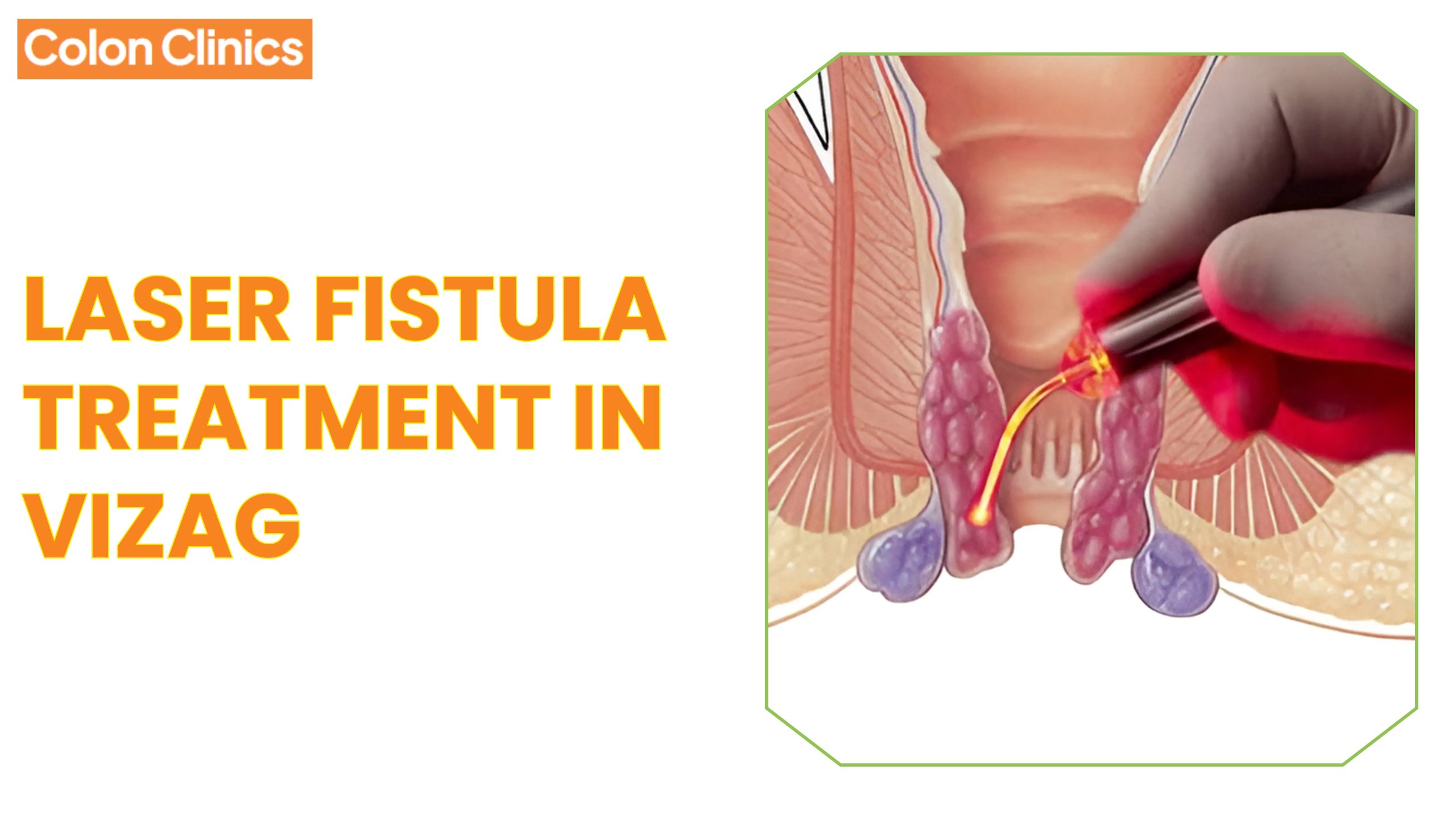
2. Laser Treatment for Anal Fissures
For suitable patients, minimally invasive laser treatment may be recommended.
Laser treatment offers several advantages, including:
- Minimal bleeding
- Smaller incisions
- Less post-operative pain
- Faster healing
- Shorter hospital stay
- Quicker return to daily activities
Your colorectal surgeon will determine whether laser treatment is appropriate based on the severity of your condition.
3. Fissurectomy
In certain cases, the surgeon may remove the scar tissue surrounding the chronic fissure. This encourages healthy tissue regeneration and healing.
The most appropriate procedure depends on the patient’s condition, symptoms, and overall health.
Recovery After Surgery
Recovery is usually smooth when postoperative instructions are followed carefully.
Patients are commonly advised to:
- Eat a high-fiber diet
- Drink plenty of water
- Take prescribed medications
- Continue warm sitz baths
- Avoid straining during bowel movements
- Maintain good anal hygiene
- Attend scheduled follow-up appointments
Most patients return to their normal routine within one to two weeks. However, complete healing may take several weeks depending on the procedure performed and the individual’s overall health. Following your surgeon’s instructions is essential for a smooth and successful recovery.
Can Chronic Anal Fissures Be Prevented?
While not every fissure can be prevented, healthy lifestyle habits significantly reduce the risk of recurrence.
Preventive measures include:
- Eating fiber-rich foods daily
- Staying well-hydrated
- Exercising regularly
- Avoiding prolonged constipation
- Responding promptly to the urge for bowel movements
- Limiting excessive straining
- Seeking early medical care if symptoms develop
Simple lifestyle changes can go a long way in maintaining anorectal health.
Why Choose Colon Clinics for Anal Fissure Treatment in Vizag?
At Colon Clinics, patients receive individualized care for both acute and chronic anal fissures. The clinic emphasizes accurate diagnosis, patient education, and evidence-based treatment plans to ensure the best possible outcomes.
Dr. Ramesh Baipalli has extensive experience in managing anorectal conditions and recommends treatment based on each patient’s unique needs. Whether conservative management is appropriate or surgery is required, patients receive compassionate care throughout their recovery journey.
The clinic offers:
- Comprehensive evaluation and accurate diagnosis
- Personalized treatment plans
- Advanced minimally invasive surgical options
- Compassionate postoperative care
- Guidance for long-term prevention and recovery
FAQs on Chronic Anal Fissure Surgery in Vizag
Q1. Is surgery painful?
Modern techniques like laser fissure surgery are minimally painful, with faster recovery.
Q2. How long is the recovery period?
Most patients resume normal activities within a week, though complete healing may take a few weeks.
Q3. Can fissures recur after surgery?
Recurrence is rare, especially with lifestyle modifications and proper follow up.
Q4. Is surgery safe for elderly patients?
Yes, with proper evaluation, surgery is safe and effective across age groups.
Conclusion
A chronic anal fissure is more than just a painful tear—it can significantly affect your daily routine and quality of life if left untreated. While many fissures heal with conservative measures such as dietary changes, medications, and sitz baths, persistent fissures often require advanced medical or surgical treatment for lasting relief.
Recognizing the signs early and consulting an experienced colorectal specialist can prevent complications and improve recovery outcomes. If you’re experiencing persistent anal pain or bleeding and are looking for expert anal fissure treatment in Visakhapatnam, consult Dr. Ramesh Baipalli at Colon Clinics. With extensive experience in diagnosing and treating anorectal conditions, Dr. Baipalli offers personalized treatment plans tailored to the severity of each patient’s condition. From effective non-surgical therapies to advanced minimally invasive procedures, every treatment is focused on relieving pain, promoting faster healing, and preventing recurrence.
For more details, visit Colon Clinics or call +91 7075559951 to schedule an appointment.