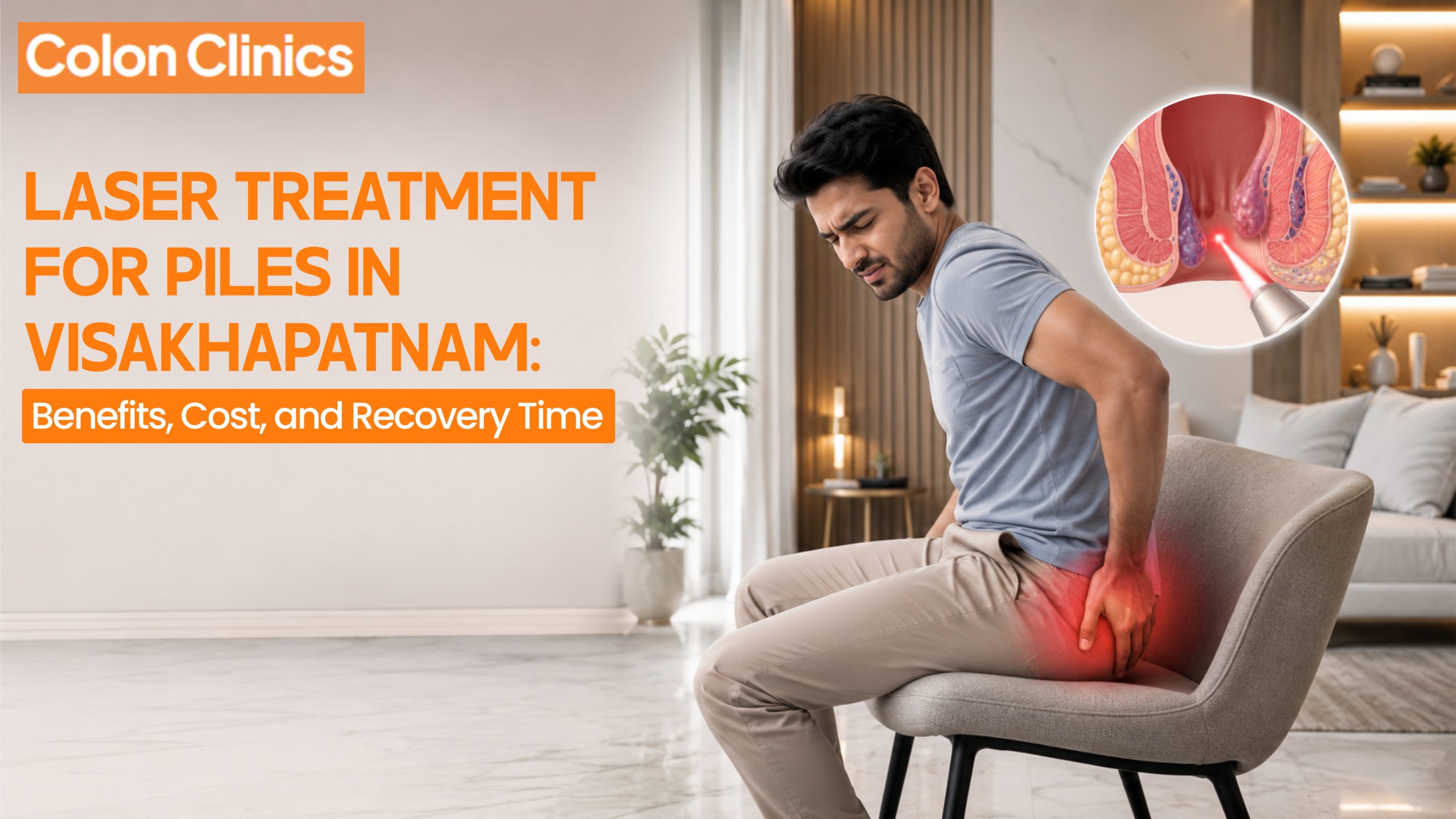
Stress and an irregular daily routine can affect digestive health more than many people realise. Skipping meals, eating unhealthy foods, drinking less water, sitting for long hours, and experiencing constant stress can contribute to constipation and unhealthy bowel habits. When constipation becomes frequent, straining during bowel movements can increase pressure on the veins around the anus and contribute to the development or worsening of piles.
Piles, also known as hemorrhoids, are a common anorectal condition that can cause pain, itching, swelling, and bleeding during bowel movements. Although stress does not directly cause piles in every case, it can influence lifestyle habits and digestive function, indirectly increasing the risk of constipation and piles symptoms.
Understanding the connection between stress, irregular routines, constipation, and piles can help you make healthier choices and seek medical care when needed. If you are experiencing persistent symptoms, timely piles treatment in Vizag at Colon Clinics can help you identify the cause and receive appropriate treatment under the guidance of Dr. Ramesh Baipalli.
Understanding the Connection Between Stress and Constipation
Stress is a natural response to challenging situations. However, prolonged stress can affect several body functions, including digestion. The brain and digestive system communicate through a complex network known as the gut-brain connection. When a person experiences ongoing stress or anxiety, changes in digestive function and daily habits may contribute to constipation.
Stress may affect bowel movements in several ways:
- Changes in digestion: Stress can influence gut movement and bowel habits, sometimes contributing to constipation.
- Unhealthy eating habits: People experiencing stress may skip meals, eat processed foods, or consume fewer fruits and vegetables.
- Reduced physical activity: Busy schedules and emotional exhaustion may lead to prolonged sitting and less exercise.
- Ignoring bowel urges: Work pressure or anxiety may cause people to delay using the toilet, making bowel habits less regular.
- Reduced water intake: During busy or stressful days, people may forget to drink enough fluids.
These factors can contribute to hard stools, difficulty passing stools, bloating, and a feeling of incomplete bowel emptying. Addressing stress and improving daily habits can help support healthier bowel movements.
How an Irregular Daily Routine Can Lead to Constipation
A consistent daily routine helps maintain healthy eating patterns, hydration, physical activity, and bowel habits. When these routines become irregular, constipation may become more frequent.
1. Skipping Meals and Eating at Irregular Times
Skipping breakfast, eating late at night, or relying on fast food can affect the quality of your diet. When meals contain insufficient dietary fibre, stools may become harder and more difficult to pass.
Fibre helps retain water in stools and supports regular bowel movements. Including vegetables, fruits, whole grains, and legumes in your meals can help reduce the risk of constipation.
2. Drinking Insufficient Water
Water plays an important role in keeping stools soft. When you do not drink enough fluids, stools can become dry and difficult to pass, particularly if your fibre intake is low.
Maintaining adequate hydration throughout the day can help make bowel movements more comfortable. Your individual fluid needs may vary depending on your health, activity level, and climate.
3. Sitting for Long Hours
People who work at desks, drive for extended periods, or spend most of the day sitting may not get enough physical activity. A sedentary lifestyle can contribute to constipation in some individuals.
Regular movement, short walking breaks, and moderate exercise can support digestive health and help maintain regular bowel habits.
4. Ignoring the Urge to Use the Toilet
Delaying bowel movements repeatedly can interfere with normal bowel habits. When stool remains in the colon for longer, more water may be absorbed from it, making it harder and more difficult to pass.
Responding to the urge to pass stools and allowing enough time for a comfortable bowel movement can help prevent unnecessary straining.
Can Constipation Cause or Worsen Piles?
Constipation is an important risk factor for piles, particularly when it leads to repeated straining during bowel movements. Piles are swollen blood vessels in the lower rectum or around the anus. Increased pressure during straining may contribute to their development or worsen existing symptoms.
When a person experiences constipation regularly, several problems may occur:
- Hard stools can make bowel movements painful and uncomfortable.
- Repeated straining can increase pressure on the blood vessels in the anal region.
- Spending too much time on the toilet may increase pressure around the anus.
- Existing piles may become more irritated, swollen, or prone to bleeding.
Common symptoms of piles include bright red blood during or after passing stools, itching around the anus, swelling, discomfort, and lumps near the anal opening. Some people may also experience a feeling of incomplete bowel emptying.
However, not all rectal bleeding is caused by piles. Persistent or recurrent bleeding should be evaluated by a healthcare professional to identify the underlying cause.
Signs That Your Lifestyle May Be Affecting Your Bowel Health
Your daily habits may be contributing to digestive problems if you frequently experience:
- Hard, dry, or lumpy stools.
- Fewer bowel movements than usual.
- Straining or pain while passing stools.
- Bloating or abdominal discomfort.
- A feeling that your bowel has not emptied completely.
- Itching, swelling, or bleeding around the anus.
These symptoms do not always indicate piles. Constipation can have several causes, including dietary factors, medication side effects, stress, and certain medical conditions. A proper evaluation can help determine the reason for your symptoms and guide treatment.
Effective Ways to Prevent Constipation and Reduce Piles Risk
Making simple lifestyle changes can help improve bowel regularity and reduce the pressure associated with straining.
1. Follow a Fibre-Rich Diet
Include fibre-rich foods such as green leafy vegetables, apples, pears, papaya, oats, whole grains, beans, and lentils. Increase fibre gradually and drink enough fluids to help your digestive system adjust.
2. Maintain a Consistent Daily Routine
Try to eat meals at regular times and maintain a consistent sleep schedule. Allow yourself enough time for bowel movements instead of rushing or repeatedly postponing them.
3. Stay Physically Active
Walking, cycling, swimming, and other forms of moderate physical activity can support normal bowel function. If you work at a desk, take short movement breaks throughout the day.
4. Manage Stress Effectively
Stress management can support healthier digestive habits. Consider deep breathing, meditation, yoga, enjoyable activities, and adequate sleep. If stress or anxiety is persistent and affects your daily life, professional support may also be helpful.
5. Avoid Excessive Straining
Do not force bowel movements or spend unnecessary time sitting on the toilet. If stools remain hard or constipation continues, consult a healthcare professional rather than repeatedly relying on self-medication.
6. Seek Medical Advice When Symptoms Persist
If constipation continues despite lifestyle changes, or you experience recurrent bleeding, persistent pain, or swelling, arrange a medical evaluation. Early assessment can help identify the cause and prevent symptoms from interfering with daily activities.
When Should You Seek Medical Treatment for Piles?
Occasional constipation may improve with dietary and lifestyle changes. However, persistent constipation and recurring piles symptoms may require medical attention.
You should consult a specialist if you experience:
- Repeated bleeding during bowel movements.
- Persistent anal pain, itching, or swelling.
- Piles that protrude during bowel movements.
- Constipation that does not improve with basic measures.
- Symptoms that repeatedly return after temporary relief.
Early consultation can help prevent complications and ensure you receive appropriate piles treatment in Vizag before the condition worsens.
Piles Treatment in Vizag at Colon Clinics
While lifestyle modifications are essential, some cases of piles require professional medical treatment. Persistent bleeding, severe discomfort, and advanced hemorrhoids should never be ignored.
At Colon Clinics, patients receive comprehensive evaluation and personalized treatment plans for constipation and piles-related conditions. Dr. Ramesh Baipalli specializes in diagnosing the underlying causes of anorectal disorders and recommending the most appropriate treatment options.
Depending on the severity of the condition, treatment may include:
- Dietary and lifestyle guidance
- Medications for symptom relief
- Minimally invasive procedures
- Advanced surgical treatment when necessary
Seeking timely care can prevent complications and help patients return to a comfortable, symptom-free life.
Final Thoughts
Stress and an irregular routine can have a surprisingly significant impact on digestive health. Chronic stress, poor sleep, unhealthy eating habits, lack of exercise, and inconsistent daily schedules can contribute to constipation, which dramatically increases the risk of developing piles.
Ignoring early symptoms can lead to worsening discomfort and more complex health issues. By adopting healthy lifestyle habits and seeking timely medical attention, individuals can effectively prevent and manage these conditions.
If you are experiencing persistent constipation, rectal bleeding, or symptoms of hemorrhoids, consult Dr. Ramesh Baipalli at Colon Clinics for expert evaluation and advanced piles treatment in Vizag. Early diagnosis and personalized care can help restore your digestive health and improve your quality of life.
For more information, visit Colon Clinics or call +91 7075559951 to schedule an appointment.