A perianal fistula is a painful and uncomfortable condition that can affect everyday activities, personal hygiene, and overall quality of life. Many people experiencing persistent pain, swelling, pus discharge, or irritation around the anus look for ways to treat the condition without undergoing surgery. Although medications and home remedies may help control certain symptoms, patients often wonder whether a perianal fistula can heal completely without a surgical procedure.
The answer depends on the type, location, and complexity of the fistula. While some conservative treatments can provide temporary relief, an established anal fistula rarely heals permanently on its own. Identifying the fistula tract and choosing the appropriate treatment are important to prevent recurring infections and complications.
At Colon Clinics, we focus on evaluating anorectal conditions and providing appropriate treatment options based on individual patient requirements. Under the guidance of Dr. Ramesh Baipalli, patients can receive professional evaluation and information about available approaches for managing anal fistulas.
What Is a Perianal Fistula?
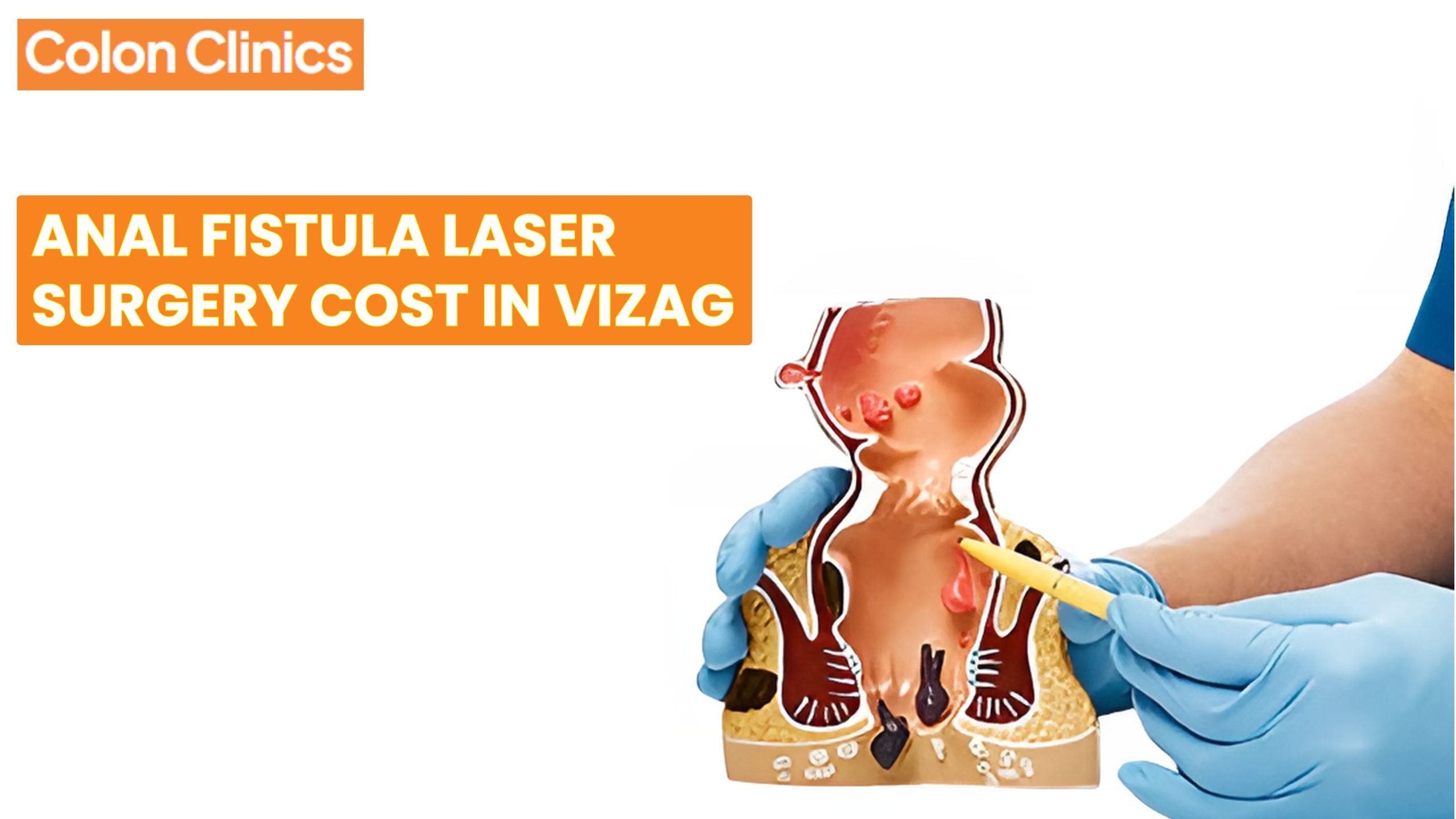
A perianal fistula is an abnormal tunnel that connects the inside of the anal canal to the skin surrounding the anus. It commonly develops following an anal abscess, which occurs when an infection develops in the small glands near the anal opening.
When the abscess drains but the underlying tract remains, a fistula may develop. This tract can cause repeated infections and continuous discharge if left untreated.
Depending on its location and involvement of the anal sphincter muscles, a fistula may be classified as simple or complex. Identifying the type is important because treatment approaches differ from patient to patient.
Common Symptoms of Perianal Fistula
Recognising the early symptoms can help patients seek timely medical attention.
Some common warning signs include:
- Persistent pus discharge: Fluid or pus may continuously drain from a small opening near the anus.
- Pain and swelling: Discomfort may increase while sitting, walking, or passing stools.
- Skin irritation: Continuous discharge can cause itching, redness, and irritation.
- Recurrent abscesses: Painful swellings may develop repeatedly around the anal region.
- Bleeding: Some patients may notice blood along with discharge.
- Fever: Fever may indicate an active or spreading infection and requires prompt medical assessment.
If these symptoms occur repeatedly, consulting a colorectal specialist is important.
Can Perianal Fistula Be Treated Without Surgery?
A perianal fistula can sometimes be managed without conventional surgery, but medications, home remedies, and lifestyle changes generally cannot close an established fistula permanently. The tunnel connecting the anal canal to the skin usually remains even after the infection or discharge temporarily improves.
Non-surgical approaches may help reduce pain, inflammation, infection, and discomfort. They may also be useful while preparing for definitive treatment or in selected patients who require a specialised treatment plan.
However, if the fistula continues to drain, repeatedly develops abscesses, or causes persistent discomfort, a procedure may be necessary to remove, close, or manage the tract.
The treatment decision should be made after a clinical examination and, when required, imaging investigations such as MRI to identify the fistula’s course and its relationship to the anal sphincter muscles.
Non-Surgical Treatments for Perianal Fistula
Although non-surgical methods cannot usually eliminate the fistula tract, they can help manage symptoms and support healing. These treatments are generally recommended as supportive care rather than a permanent solution.
1. Medications for Infection and Pain
Antibiotics may be prescribed when there is an active infection, surrounding inflammation, or specific medical indications. Pain-relieving medications can help reduce discomfort, while other medicines may be recommended to improve bowel movements and minimise strain.
However, antibiotics alone cannot close the abnormal tunnel. Taking medicines without proper evaluation may temporarily reduce symptoms while the fistula continues to persist.
2. Warm Sitz Baths
A sitz bath involves sitting in comfortably warm water for approximately 10–15 minutes. It may help relieve pain, relax the surrounding muscles, improve local hygiene, and reduce irritation around the fistula opening.
Warm water baths can be particularly helpful after bowel movements. However, they do not remove the fistula tract or prevent recurring infections in every case.
3. High-Fibre Diet and Hydration
A fibre-rich diet containing fruits, vegetables, whole grains, and legumes helps maintain softer stools. Drinking sufficient water throughout the day can also support regular bowel movements.
Avoiding constipation and excessive straining reduces pressure and irritation in the anal region, making it easier to manage symptoms during treatment and recovery.
4. Proper Anal Hygiene
Keeping the area around the anus clean and dry can help minimise irritation caused by pus discharge and moisture. Gentle washing with water, avoiding harsh soaps, and using clean gauze or absorbent pads when necessary may help prevent skin irritation.
These practices improve comfort but should not be considered a substitute for definitive fistula treatment.
When Is Surgery Necessary for Anal Fistula?
Surgery or another definitive procedure is generally recommended when the fistula tract has formed and continues to cause symptoms. The objective is to treat the abnormal tract, control infection, promote healing, and preserve the anal sphincter muscles responsible for bowel control.
Surgical treatment may be advised if a patient experiences:
- Repeated swelling or abscess formation around the anus
- Persistent pus or blood discharge
- Pain while sitting, walking, or passing stools
- A fistula that does not heal despite medical management
- Multiple openings or a complex fistula tract
- Recurring infections that interfere with daily activities
The procedure depends on whether the fistula is simple or complex and how much of the anal sphincter is involved.
Advanced Anal Fistula Treatment Options in Vizag
At Colon Clinics, treatment is selected according to the fistula’s anatomy, infection status, and individual health requirements. Various techniques may be considered to achieve healing while reducing the risk of damage to the sphincter muscles.
1. Fistulotomy
Fistulotomy is a commonly performed procedure for simple anal fistulas that involve minimal sphincter muscle. During the procedure, the surgeon opens the fistula tract so that it can heal naturally from the inside out.
It is generally effective for appropriately selected patients.
2. Laser Fistula Treatment
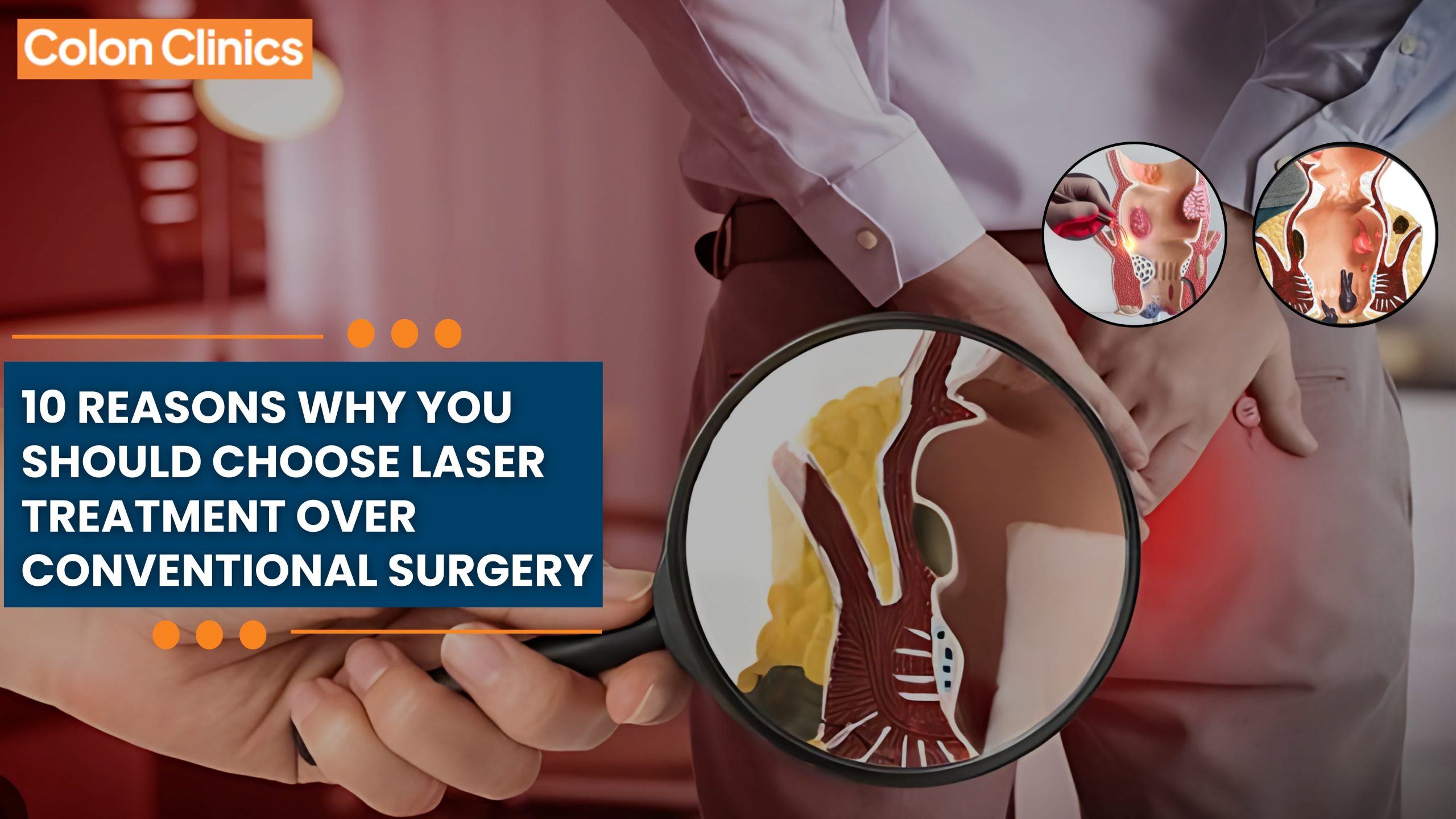
Laser fistula treatment involves using a specialised laser fibre to deliver controlled energy inside the fistula tract. The energy helps shrink and seal the abnormal passage.
This minimally invasive approach aims to preserve the surrounding sphincter muscles while treating the fistula. However, its suitability and success depend on the fistula’s anatomy, and recurrence remains possible.
3. LIFT Procedure
Ligation of the Intersphincteric Fistula Tract (LIFT) is a sphincter-preserving surgical technique commonly considered for selected complex fistulas.
The surgeon identifies and closes the fistula tract in the space between the internal and external sphincter muscles. This approach aims to treat the fistula while reducing the risk of damage to the muscles responsible for bowel control.
4. Seton Placement
A seton is a special surgical thread placed through the fistula tract to maintain drainage and prevent infected fluid from accumulating.
It is particularly useful in certain complex fistulas involving the anal sphincter muscles. A loose seton may be used as part of a staged treatment plan before another procedure is performed.
The most appropriate technique is selected after evaluating the fistula’s location, complexity, and associated risks.
What Happens If a Perianal Fistula Is Left Untreated?
Ignoring a perianal fistula or depending only on home remedies can lead to recurring infections and other complications.
Some potential problems include:
- Repeated abscess formation: Infection may accumulate within the tract and cause painful swelling.
- Persistent discharge: Continuous pus or fluid drainage can cause hygiene difficulties and skin irritation.
- Increasing pain: Recurrent inflammation may make sitting, walking, and bowel movements uncomfortable.
- Complex fistula formation: Untreated or recurring fistulas may develop additional branches, making treatment more challenging.
- Reduced quality of life: Persistent symptoms can affect daily routines, work, sleep, and personal confidence.
Early diagnosis and appropriate treatment can help prevent these complications.
Why Choose Colon Clinics for Perianal Fistula Treatment?
Choosing an experienced specialist is important for receiving appropriate treatment and reducing the chances of recurrence. At Colon Clinics, patients receive personalised care for fistulas, piles, fissures, and other anorectal conditions.
Here are some reasons to consider Colon Clinics:
- Experienced Surgical Specialist: Dr. Ramesh Baipalli is an experienced surgical gastroenterologist with over 20 years of experience in managing anorectal and colorectal conditions.
- Advanced Treatment Options: The clinic offers modern treatment approaches, including laser fistula treatment, based on individual patient requirements.
- Personalised Evaluation: Every patient receives an appropriate assessment to understand the fistula’s location, complexity, and severity.
- Patient-Centred Care: Treatment recommendations focus on patient comfort, safety, and preserving normal bowel function.
- Comprehensive Follow-Up: Patients receive guidance on recovery, hygiene, and lifestyle modifications to support healing.
Frequently Asked Questions
1. Can a perianal fistula close naturally without surgery?
Most established perianal fistulas do not close permanently on their own. The tract may continue to remain even if the discharge or pain temporarily decreases. Medical evaluation is recommended to determine whether definitive treatment is required.
2. Can antibiotics cure an anal fistula?
Antibiotics may help control an infection, but they generally cannot eliminate the fistula tract. A definitive procedure is often required for complete treatment.
3. Is laser treatment better than traditional fistula surgery?
Laser treatment is a minimally invasive option for selected fistulas and may offer advantages such as less tissue damage and reduced postoperative discomfort. However, laser treatment is not suitable for every fistula. The best approach depends on the fistula’s location, complexity, and sphincter involvement.
4. How long does an anal fistula take to heal?
Healing time depends on the type of fistula, treatment method, and individual health. Simple fistulas may heal faster, while complex fistulas can require staged treatment and longer follow-up.
5. When should I consult a fistula specialist?
Consult a specialist if you experience persistent pus discharge, pain, swelling, recurring abscesses, or a wound near the anus that does not heal. Fever accompanied by increasing pain or swelling requires prompt medical attention.
Final Thoughts
Can a perianal fistula be treated without surgery? In selected cases, medications and other conservative treatments can help control infection, manage symptoms, and treat underlying conditions. However, an established fistula tract usually requires a suitable medical procedure for lasting healing.
If you are experiencing persistent anal pain, swelling, or pus discharge, do not ignore these symptoms. Early diagnosis and appropriate treatment can help prevent complications and improve your quality of life.
For advanced Anal Fistula Treatment in Vizag, consult Dr. Ramesh Baipalli at Colon Clinics. Get a personalised evaluation and expert guidance to identify the most suitable treatment option for your condition.
For more information, visit Colon Clinics or call +91 7075559951 to schedule an appointment.