Anal fistulas are painful and often uncomfortable conditions that can significantly affect a person’s daily life. Many people ignore the symptoms initially, hoping the problem will go away naturally. But can an anal fistula truly heal on its own? The simple answer is that, in most cases, an anal fistula usually does not heal without proper medical treatment. Ignoring the condition can lead to ongoing infection, pain, and complications.
If you are searching for effective Fistula Treatment in Vizag, understanding the causes, symptoms, and treatment options can help you take the right step toward recovery. At Colon Clinics, experienced colorectal specialist Dr. Ramesh Baipalli provides advanced care for anal fistula treatment with a focus on patient comfort and long-term relief.
What Is an Anal Fistula?
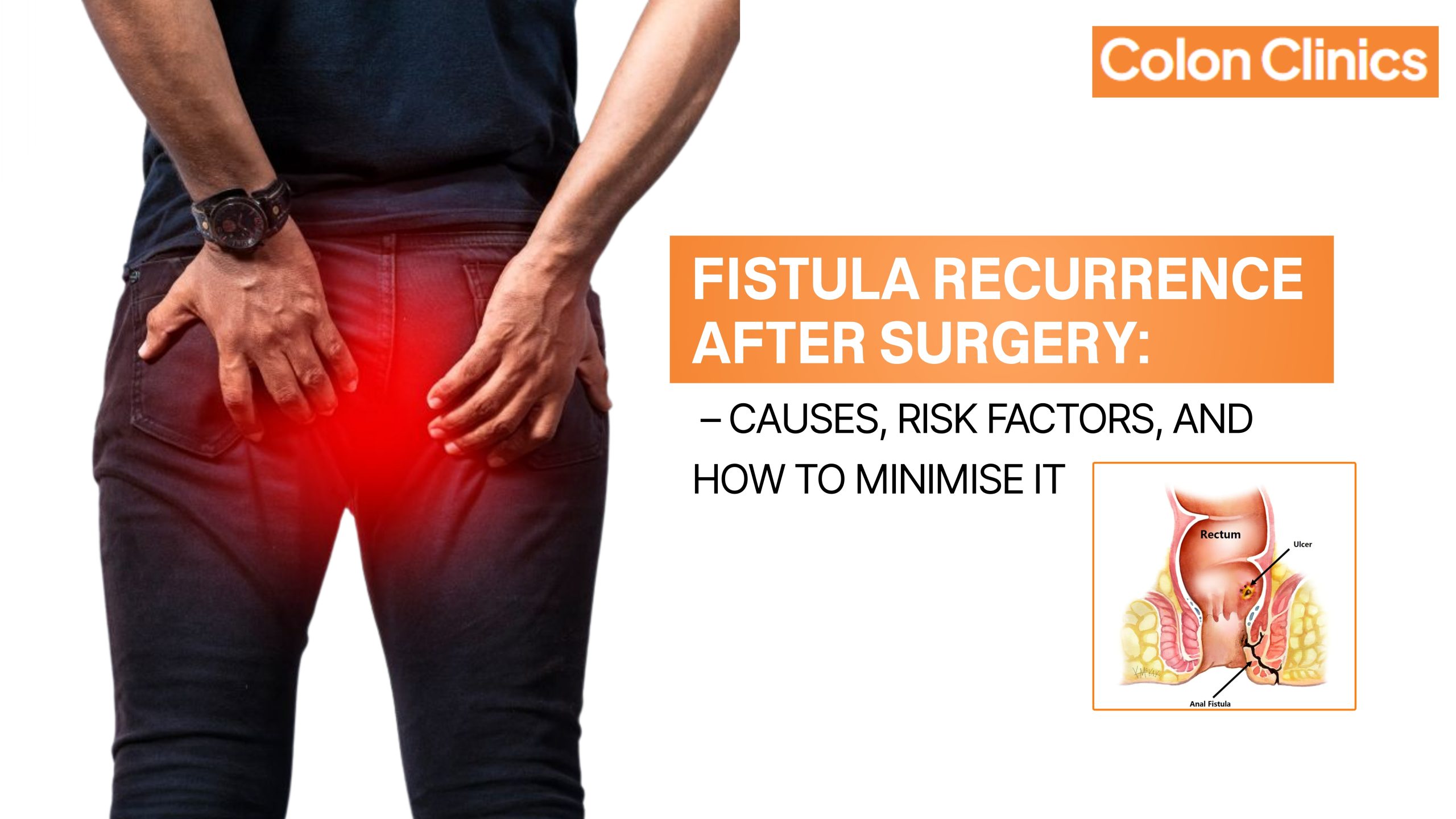
An anal fistula is a small abnormal tunnel that forms between the inside of the anal canal and the skin near the anus. It usually develops after an anal abscess, which is an infected cavity filled with pus near the anus or rectum.
When the abscess drains, either naturally or surgically, it may leave behind a tunnel connecting the infected gland to the skin surface. This tunnel is known as a fistula.
Anal fistulas can cause persistent discomfort and repeated infections if left untreated.
Can an Anal Fistula Heal on Its Own?
The simple answer is rarely.
In most cases, anal fistulas do not heal naturally because the tunnel remains infected or inflamed. Even if symptoms temporarily reduce, the fistula often continues to exist beneath the skin and may lead to recurring infections.
Some patients may experience periods where the pain or discharge decreases, giving the impression that the fistula has healed. However, the underlying tract usually remains active and can flare up again.
Without proper treatment, the condition can become chronic and more complicated over time.
Why Doesn’t a Fistula Heal Naturally?
An anal fistula usually persists because:
- The infected tunnel remains open
- Bacteria continue to grow inside the tract
- There is poor drainage of infection
- The tissue around the fistula remains inflamed
- Recurrent abscess formation occurs
Unlike simple wounds, fistulas involve deeper tissue connections that generally require medical or surgical treatment to close completely.
Symptoms of an Anal Fistula
Recognizing the symptoms early can help prevent complications. Common signs include:
- Pain and swelling around the anus
- Persistent discharge of pus or blood
- Irritation or redness near the anal area
- Pain during sitting or bowel movements
- Recurrent anal abscesses
- Fever in severe infections
- Foul-smelling discharge
If you experience these symptoms, consulting a specialist for fistula treatment in Vizag is highly recommended.
Causes of Anal Fistula
Several conditions can lead to the development of an anal fistula. These include:
- Anal Abscess: This is the most common cause. Infection in the anal glands can form an abscess, which later develops into a fistula.
- Crohn’s Disease: Inflammatory bowel diseases such as Crohn’s disease can increase the risk of fistulas.
- Tuberculosis or Infections: Certain infections affecting the intestines or anal area may contribute to fistula formation.
- Previous Surgery or Trauma: Injuries or surgeries near the anal region can sometimes result in fistulas.
- Radiation Therapy: Radiation treatment for pelvic cancers may occasionally lead to fistula development.
What Happens If an Anal Fistula Is Left Untreated?
Ignoring an anal fistula can lead to serious health issues. The infection may spread deeper into surrounding tissues and create multiple fistula tracts.
Possible complications include:
- Recurring Infections: The fistula can repeatedly fill with pus, causing painful abscesses again and again.
- Severe Pain and Discomfort: Ongoing inflammation may make daily activities uncomfortable.
- Multiple Fistula Tracts: Untreated fistulas can branch into complex tunnels, making treatment more difficult.
- Risk of Incontinence: Advanced or improperly treated fistulas may affect the anal sphincter muscles.
- Chronic Drainage: Continuous discharge can lead to skin irritation and hygiene problems.
Early diagnosis and treatment can prevent these complications and improve quality of life.
How Is an Anal Fistula Diagnosed?
At Colon Clinics, diagnosis begins with a detailed evaluation by Dr. Ramesh Baipalli.
The diagnostic process may include:
- Physical examination
- Digital rectal examination
- Anoscopy
- MRI scan for complex fistulas
- Ultrasound imaging
- Colonoscopy in selected cases
Accurate diagnosis helps determine the type and severity of the fistula and allows doctors to plan the best treatment approach.
Treatment Options for Anal Fistula
Treatment depends on the severity and complexity of the fistula. Since fistulas usually do not heal naturally, medical intervention is often necessary.
1. Medications: Antibiotics may help control infection temporarily, but they usually cannot cure the fistula completely.
2. Fistulotomy: This is one of the most common procedures for simple fistulas. The tract is carefully opened and cleaned to allow proper healing from the inside out.
3. Laser Treatment for Fistula
Laser treatment is one of the most advanced minimally invasive options available today.
Benefits of Laser Treatment
- Minimal pain
- Faster recovery
- Reduced bleeding
- Less tissue damage
- Short hospital stay
- Lower risk of complications
Many patients prefer laser procedures because they offer quicker return to normal activities.
4. Seton Placement
A surgical thread called a seton may be placed inside the fistula tract to help drain infection gradually.
5. Advancement Flap Procedure
This technique is used for complex fistulas where protecting the anal sphincter muscles is important.
6. VAAFT (Video-Assisted Anal Fistula Treatment)
A modern technique that allows doctors to treat the fistula internally using advanced visualization tools.
7. LIFT Procedure
The Ligation of Intersphincteric Fistula Tract (LIFT) procedure treats the fistula while preserving anal sphincter muscles. It helps reduce the risk of incontinence.
Benefits of Early Treatment
Seeking treatment at the right time offers several advantages:
- Faster recovery
- Reduced pain and discomfort
- Prevention of recurrent infections
- Lower risk of complications
- Better long-term outcomes
- Improved quality of life
Early treatment also helps avoid more complex surgeries later.
Recovery After Anal Fistula Treatment
Recovery depends on the type of procedure performed and the complexity of the fistula. Most patients can return to normal activities within a few days to weeks.
Tips for Faster Healing
- Maintain proper hygiene
- Follow prescribed medications
- Eat a fiber-rich diet
- Drink plenty of water
- Avoid constipation
- Take sitz baths regularly
- Attend follow-up appointments
Following your doctor’s instructions carefully can reduce the risk of recurrence.
Can Lifestyle Changes Prevent Anal Fistula?
Although not all fistulas can be prevented, certain lifestyle habits may reduce the risk of anal infections and complications.
Healthy Habits Include:
- Eating high-fiber foods
- Staying hydrated
- Maintaining good anal hygiene
- Treating constipation early
- Managing inflammatory bowel diseases
- Seeking medical attention for anal abscesses promptly
Early treatment of infections can help prevent fistula formation.
When Should You See a Doctor?
You should seek medical help immediately if you notice:
- Persistent anal pain
- Swelling near the anus
- Pus or blood discharge
- Recurrent abscesses
- Fever along with anal discomfort
Ignoring symptoms can delay healing and make treatment more complicated.
Why Choose Colon Clinics for Fistula Treatment in Vizag?
Choosing an experienced specialist is essential for successful treatment and recovery. Colon Clinics offers advanced care for colorectal conditions using modern technology and patient-focused treatment methods.
Under the expertise of Dr. Ramesh Baipalli, patients receive:
- Personalized treatment plans
- Advanced minimally invasive procedures
- Accurate diagnosis and evaluation
- Comprehensive post-treatment care
- Faster recovery support
The clinic focuses on providing safe, effective, and compassionate care for both simple and complex fistulas.
Final Thoughts
An anal fistula rarely heals on its own and usually requires proper medical treatment to prevent recurring infections and complications. Ignoring symptoms may lead to worsening pain, repeated abscesses, and more complex conditions over time.
If you are experiencing symptoms such as anal pain, swelling, or discharge, seeking timely medical attention is essential. For advanced and reliable fistula treatment in Vizag, Colon Clinics provides expert care with modern treatment solutions under the expertise of Dr. Ramesh Baipalli.
Early diagnosis and treatment can help you recover comfortably and return to a healthier life.
For more details, visit Colon Clinics or call +91 7075559951 to schedule an appointment.