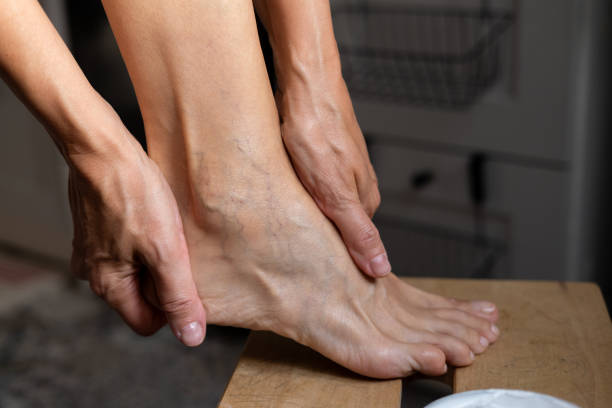
Varicose veins are enlarged, twisted veins that often appear on the legs and feet due to weakened or damaged valves inside the veins. This condition causes blood to pool, leading to swollen, blue or purple veins that may be visible under the skin. Common symptoms include aching, throbbing, and a feeling of heaviness in the affected area. Risk factors for varicose veins include age, genetics, obesity, pregnancy, and prolonged standing or sitting. Treatment options include lifestyle changes, compression stockings, and in some cases, medical procedures like sclerotherapy or laser therapy.
What is Varicose veins Treatment
- Compression stockings help improve blood flow and reduce swelling.
- Sclerotherapy involves injecting a solution to close off affected veins.
- Laser therapy uses light to seal off and collapse varicose veins.
- Endovenous thermal ablation applies heat to close off problematic veins.
- Vein stripping is a surgical procedure to remove severely affected veins.
Benefits of Varicose veins
- Improves circulation by restoring normal blood flow, reducing swelling and pressure in the veins. This helps to alleviate discomfort and prevent further vein damage.
- Reduces pain and discomfort by relieving symptoms like heaviness, cramping, and aching in the legs. Treatment can provide long-term relief and enhance overall leg health
- Prevents complications such as ulcers, blood clots, or skin discoloration that can develop from untreated varicose veins. Early treatment can stop these issues from worsening.
- Enhances appearance by removing or reducing the visible bulging veins. This can lead to a more youthful, smoother appearance of the legs.
Frequently Asked Questions
What causes varicose veins?
Varicose veins are caused by weakened or damaged valves in the veins, which allow blood to flow backward and pool, leading to enlarged veins. Factors like age, genetics, pregnancy, and prolonged standing can increase the risk.
Are varicose veins dangerous?
While often not dangerous, varicose veins can lead to complications like ulcers, blood clots, or bleeding if left untreated. It’s important to seek treatment if symptoms worsen.
Can varicose veins be prevented?
While they can’t always be prevented, maintaining a healthy weight, exercising regularly, elevating your legs, and avoiding prolonged standing can reduce the risk of developing varicose veins.
What are the treatment options for varicose veins?
Treatment options include lifestyle changes, compression stockings, sclerotherapy, laser therapy, and, in severe cases, vein stripping or ablation procedures to close or remove affected veins.
Is varicose vein treatment permanent?
While treatments like sclerotherapy or laser therapy can provide long-lasting results, new varicose veins may develop over time, especially if risk factors remain. Regular monitoring and preventative measures can help.
